
Plastic injection mold design and manufacturing based on engineering drawings directly governs the dimensional precision of finished mechanical components. At Zeng Hsing, our engineering team meticulously analyzes 2D drawings and 3D CAD models to maintain strict assembly tolerances. Every completed mold base guarantees high mechanical stability, ensuring uninterrupted injection molding runs while minimizing scrap rates.
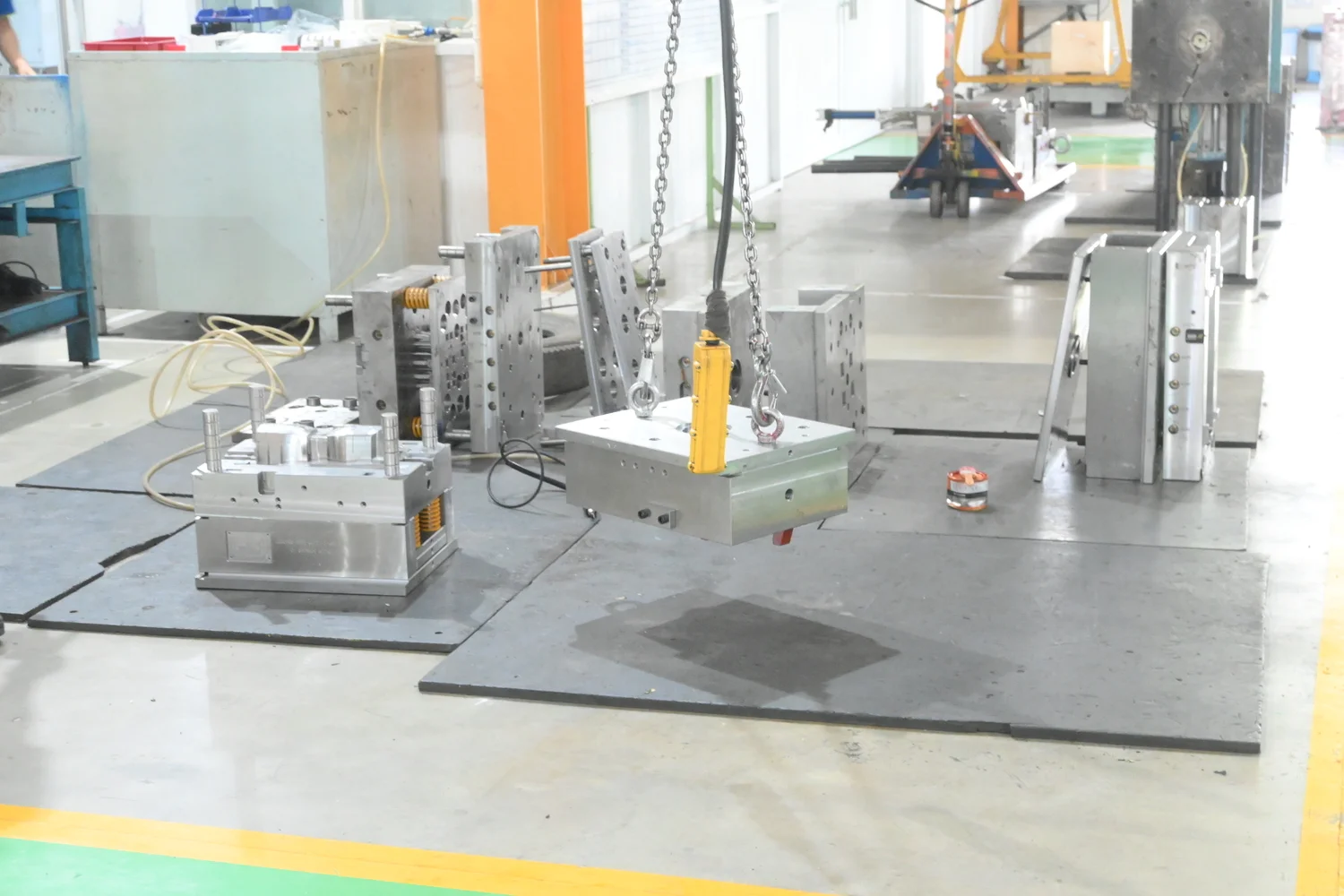
Role of detailed drawings in plastic injection mold design and manufacturing
Engineering drawings (2D blueprints and 3D CAD files) serve as the primary technical foundation for engineers to plan tooling architectures and machining workflows. Any minor discrepancy during drawing interpretation in mold design and manufacturing can directly impair the functional quality of molded plastic parts.
Key technical parameters required on engineering drawings
Prior to fabrication, tooling engineers must thoroughly define several fundamental variables:
• Critical assembly tolerances and surface roughness requirements for plastic parts.
• Uniform nominal wall thickness to avoid sink marks, localized shrinkage, or internal voids.
• Appropriate demolding draft angles on internal and external walls, ensuring smooth part ejection without scuffing or drag marks.
• Strategic placement of reinforcing ribs, locating bosses, and screw mounts tailored to structural functions.
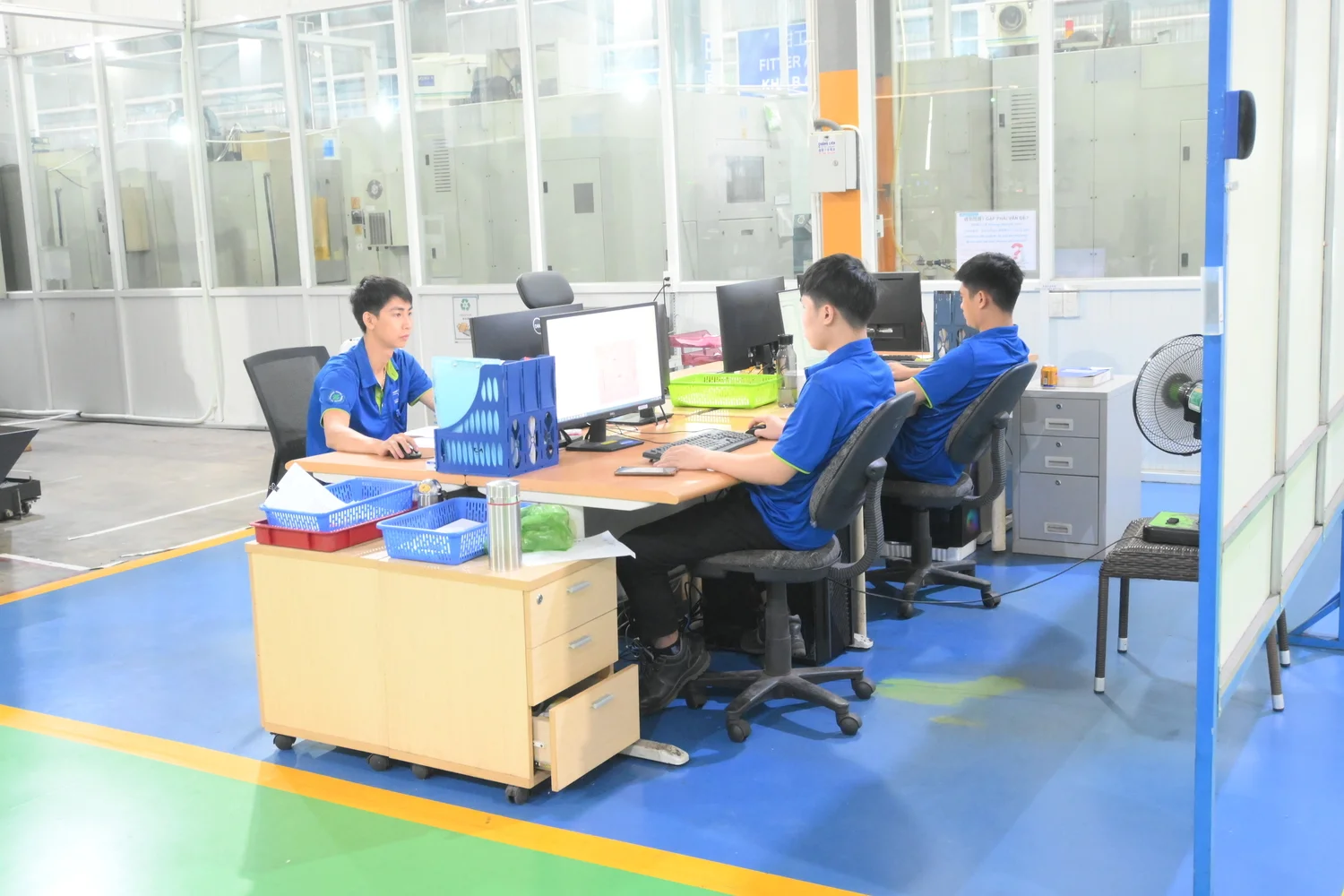
Design for Manufacturability (DFM) analysis
Conducting a comprehensive DFM analysis helps detect geometric interferences, sharp corners, and difficult undercuts early in the development cycle. Based on this evaluation, our engineering team proposes design refinements to optimize mold construction, saving raw steel expenses and shortening actual molding cycle times. Consequently, all mold design and manufacturing activities remain practical, reducing costly rework downstream.
>>>> Read more: Turnkey plastic mold design to manufacturing at Zeng Hsing
Workflow from 3D drawings to plastic injection mold design and manufacturing
To bring digital engineering models into physical production, our toolroom follows a disciplined, closely monitored manufacturing progression.
Structural tooling design and mold flow simulation
Tooling engineers use dedicated CAD software to detail every mold plate and choose between 2-plate or 3-plate mold designs depending on part geometry. Implementing mold flow simulation software helps determine gate locations, runner layouts, and filling pressures—mitigating molding defects like air traps, burn marks, and weld lines. This represents a crucial phase within professional mold design and manufacturing services.
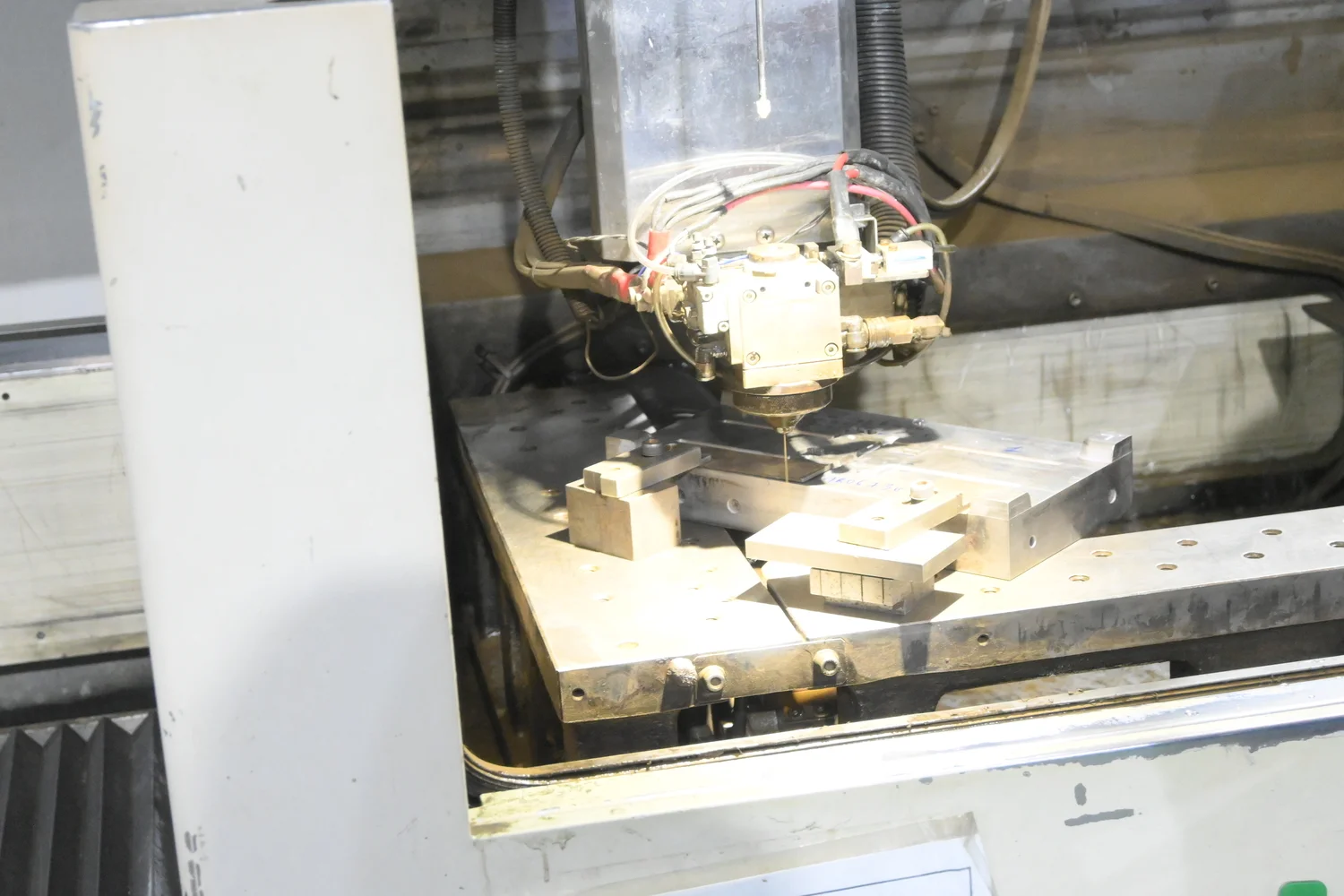
Precision CNC machining of core and cavity inserts
Following final 3D mold model sign-off, precision machining is executed synchronously:
• High-speed CNC milling: Machining mold bases, cavity blocks, and cores according to exact coordinate datums.
• Wire EDM (WEDM) and sinker EDM: Processing narrow ribs, sharp internal corners, and intricate contours inaccessible to rotary cutters.
• Surface finishing: Executing mirror polishing, bead blasting, or chemical texture etching strictly adhering to drawing aesthetic callouts.
Tooling assembly and sampling trials
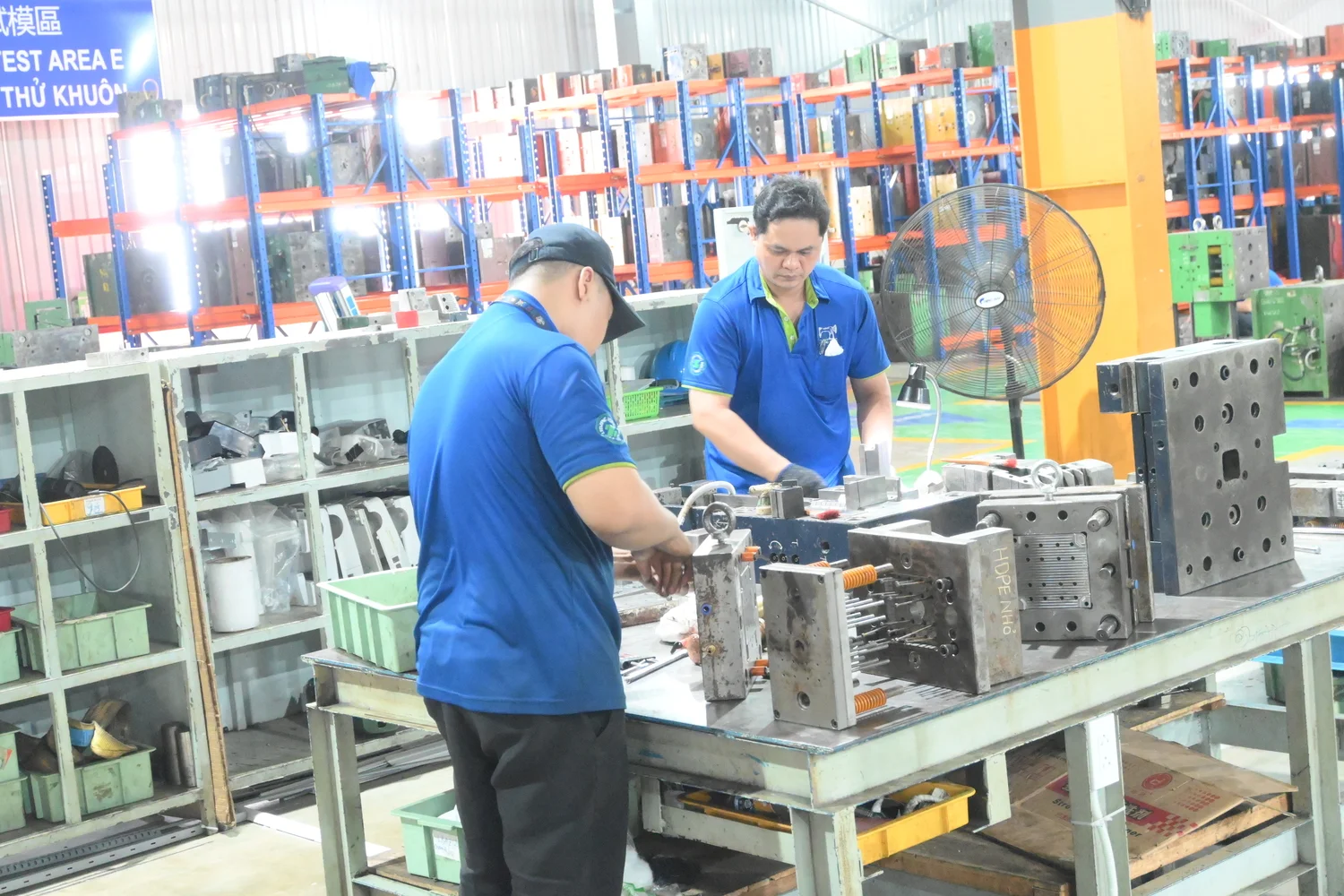
Cavities, cores, slide mechanisms, ejector pins, and cooling circuits are completely assembled by experienced toolmakers. The tool is then mounted onto our in-house injection press for initial sampling trials (T0, T1). Technicians measure sample dimensions using optical metrology systems to fine-tune remaining deviations before releasing the mold for recurring production.
>>>> Read more: Precision plastic injection mold manufacturing services meeting technical standards
Engineering criteria extending injection mold lifespan
The durability and operational consistency of a mold tool depend directly on raw tool steel selection and auxiliary system layouts. Throughout mold design and manufacturing, two critical factors are prioritized:
Matching tool steel grades with resin characteristics
Depending on the processing polymer (ABS, POM, PP, or abrasive glass-fiber-filled resins), engineers specify appropriate tool steel grades:
– Steels such as S50C or P20 are typically selected for mold bases or components intended for medium production runs.
– Through-hardened steels like NAK80, S136, or SKD61 deliver superior hardness, high wear resistance, and reliable protection against corrosive resins.
Optimizing cooling circuits and ejection systems
Cooling water channels are arranged uniformly around mold cavities to dissipate heat quickly and evenly, preventing post-molding warpage. In addition, round ejector pins, flat blades, or stripper sleeves are balanced across the part footprint to deliver uniform ejection force without leaving cosmetic pin blush or inducing part distortion.
>>>> Read more: Custom local mold manufacturing near me with quick quotation
Advantages of plastic injection mold design and manufacturing at Zeng Hsing
Backed by a solid engineering foundation and self-contained tooling facilities, Zeng Hsing fulfills all requirements for custom mold design and manufacturing built to customer drawings:
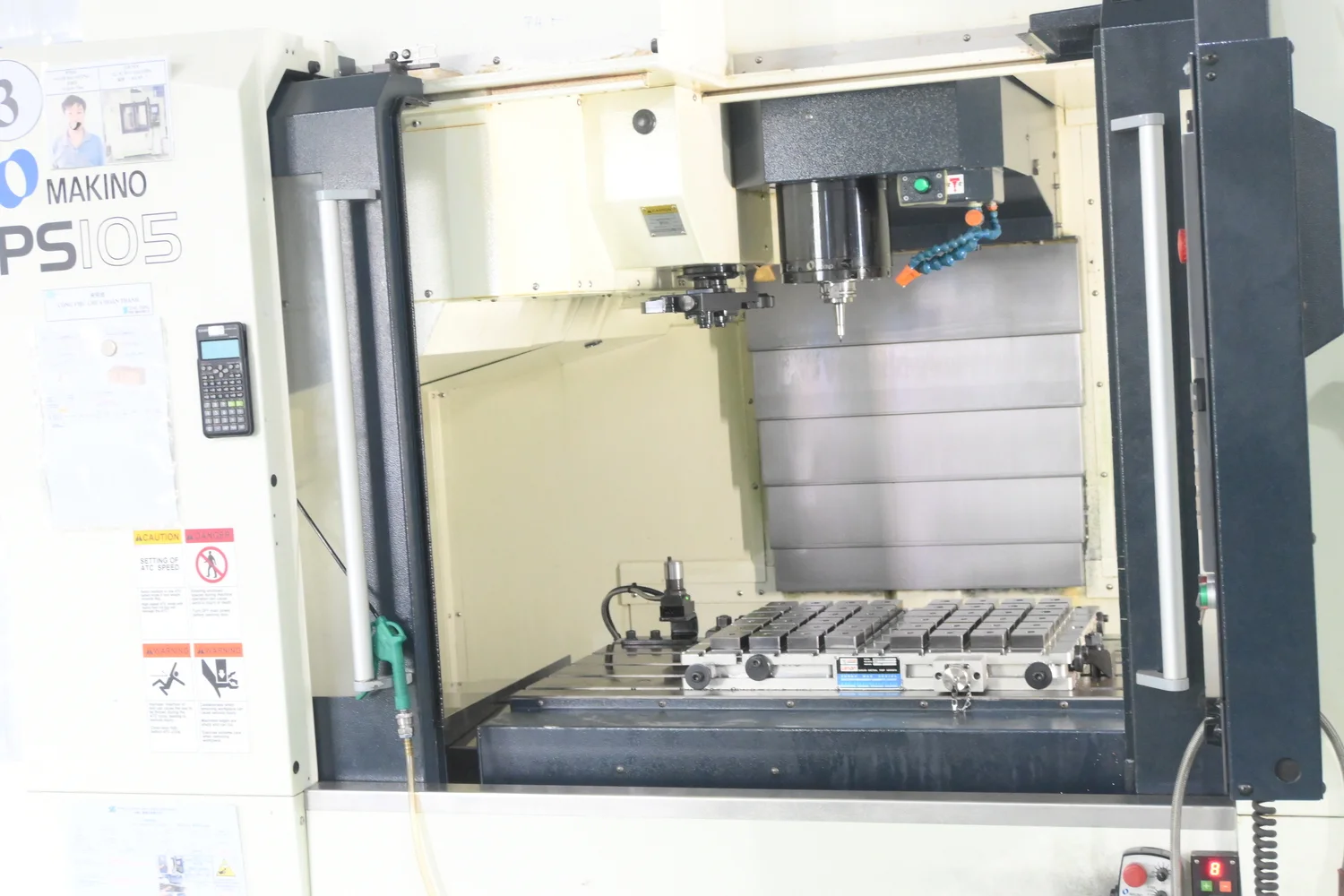
♦ Synchronized equipment fleet: Our mold center operates 31 precision machine tools, including high-end CNC milling machines (Makino PS105/F5), WEDM wire cutters, sinker EDM systems, and laser welders.
♦ Rigorous quality inspection: We use 3D laser scanners, 2.5D optical projectors, and digital height gauges to inspect every machined insert, ensuring tolerances remain within defined limits.
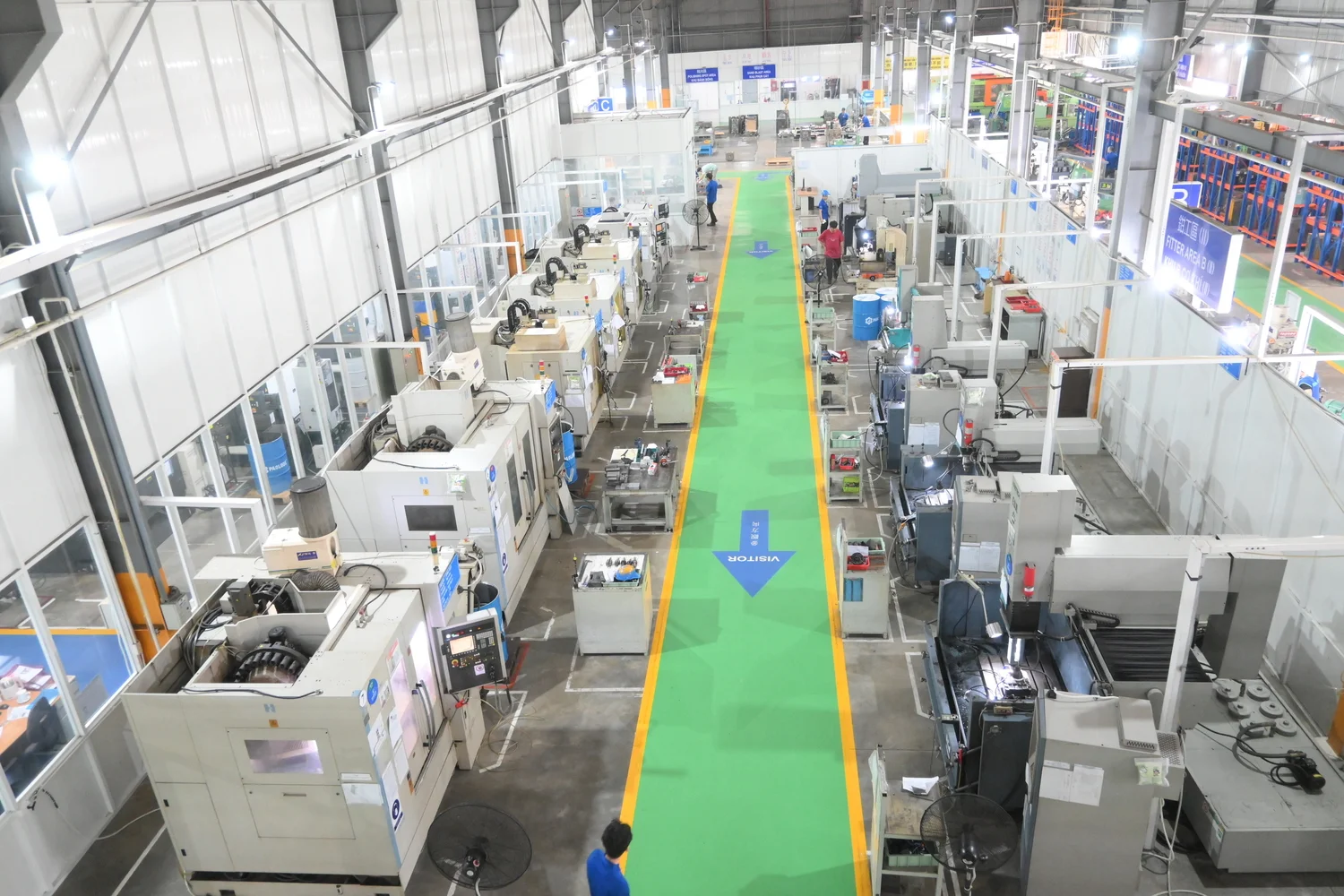
♦ Diverse production capacity: Designing and building standard 2-plate molds (lead times of 30 – 45 days) and complex 3-plate tools (lead times of 35 – 60 days), compatible with injection presses from 75 tons to 650 tons and mold dimensions up to ~800 mm.
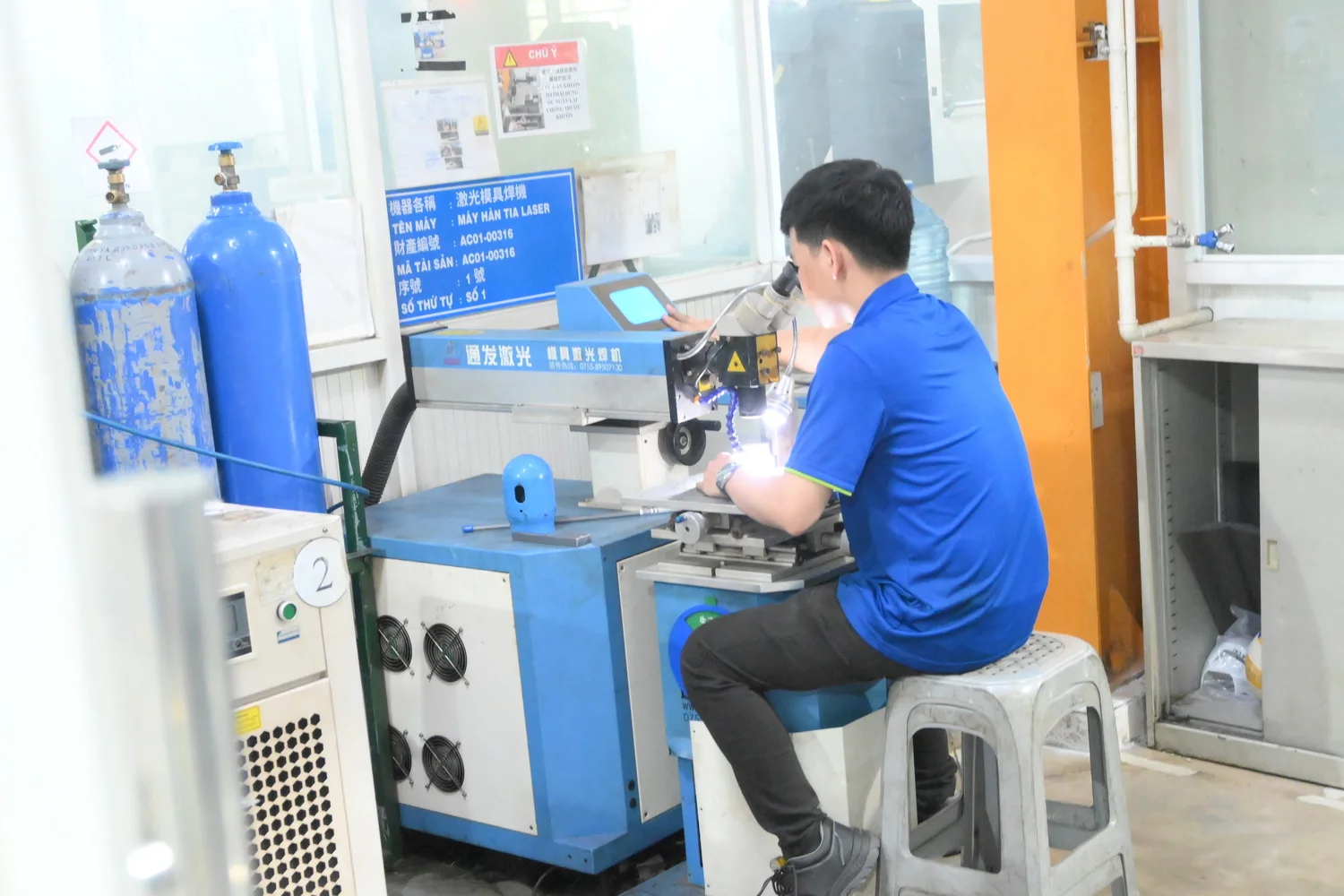
Our closed-loop workflow ensures technical consistency across mold design and manufacturing, helping clients accelerate preparations and bring finished goods to market sooner.
GET THE BEST QUOTE
Contact ZENG HSING now via Zalo or Website to receive advice on suitable specifications and get a prompt quotation!
Requesting a quotation for mold design and manufacturing from drawings
To receive an optimized tooling plan and an itemized quotation, clients can submit project data including:
1. 2D technical drawings (PDF/DWG format) and 3D CAD models (STP/STEP format).
2. Projected polymer grade (ABS, POM, PC, PP, etc.), annual production quantity (shot volume), and required mold surface finishes.
Zeng Hsing's engineering team is always ready to evaluate blueprints and propose practical manufacturing solutions for each project. Learn more about our mold design and manufacturing capabilities on our website at zenghsing.vn or contact our hotlines directly at (+84) 0355 846 965 (Mr. Nghia) or (+84) 0362 476 478 (Mr. Nam) for prompt engineering support.
ZENG HSING VIET NAM
- Address: Unit 03-08, Canary Plaza, Binh Duong Boulevard, Binh Hoa Ward, Ho Chi Minh City, Vietnam
- Hotline: (+84) 0355 846 965 (Mr. Nghia) – (+84) 0362 476 478 (Mr. Nam)
- Email: nghia_duong@zenghsing.com.vn / nam_vu@zenghsing.com.vn
- Website: zenghsing.vn

