
Cable harnesses serve as the vital link delivering control signals and operating power across entire industrial equipment systems. Sourcing a partner for industrial cable harness manufacturing requires rigorous evaluation of factory machinery and quality assurance standards. Reviewing the core engineering criteria below will help enterprises select the right manufacturing partner, ensuring machinery operates with lasting durability and high electrical safety.
Machinery capabilities and precision during conductor preparation
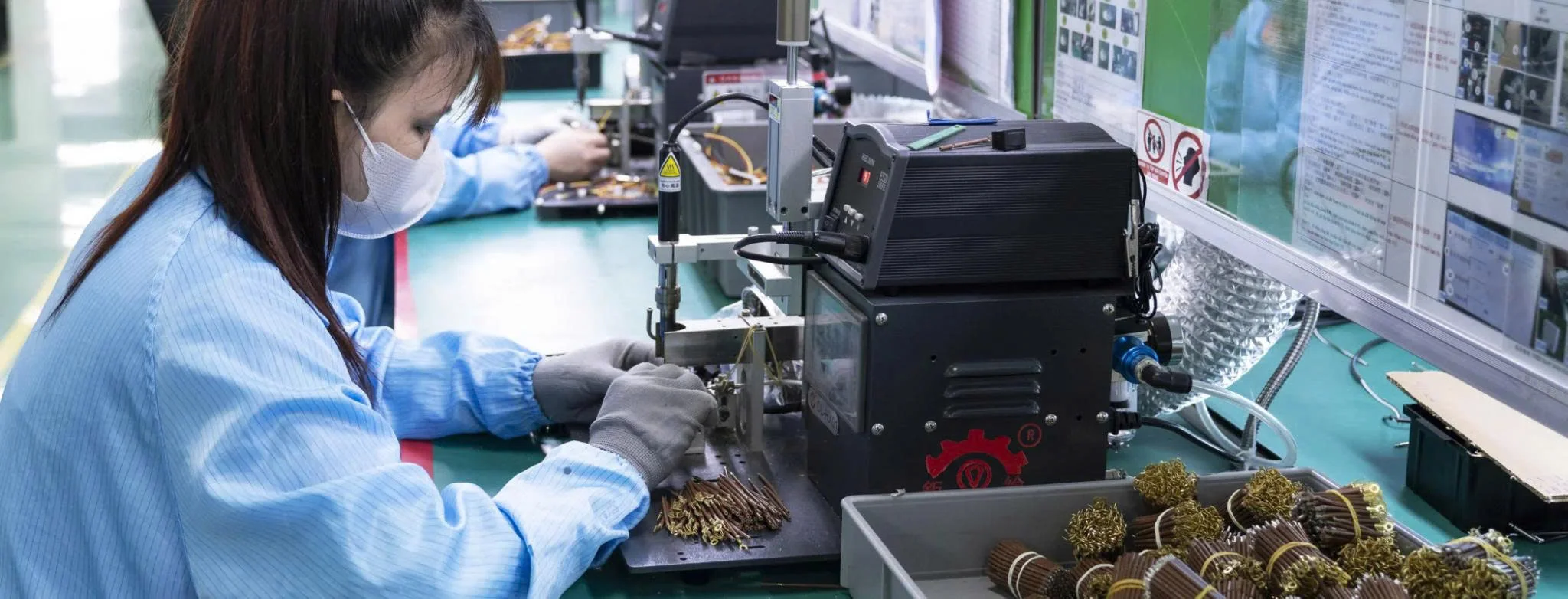
Shop-floor equipment directly reflects the finished build quality of every insulated conductor run. An industrial cable harness manufacturing facility equipped with modern automation minimizes reliance on manual bench operations, holding dimensional tolerances strictly within approved limits.
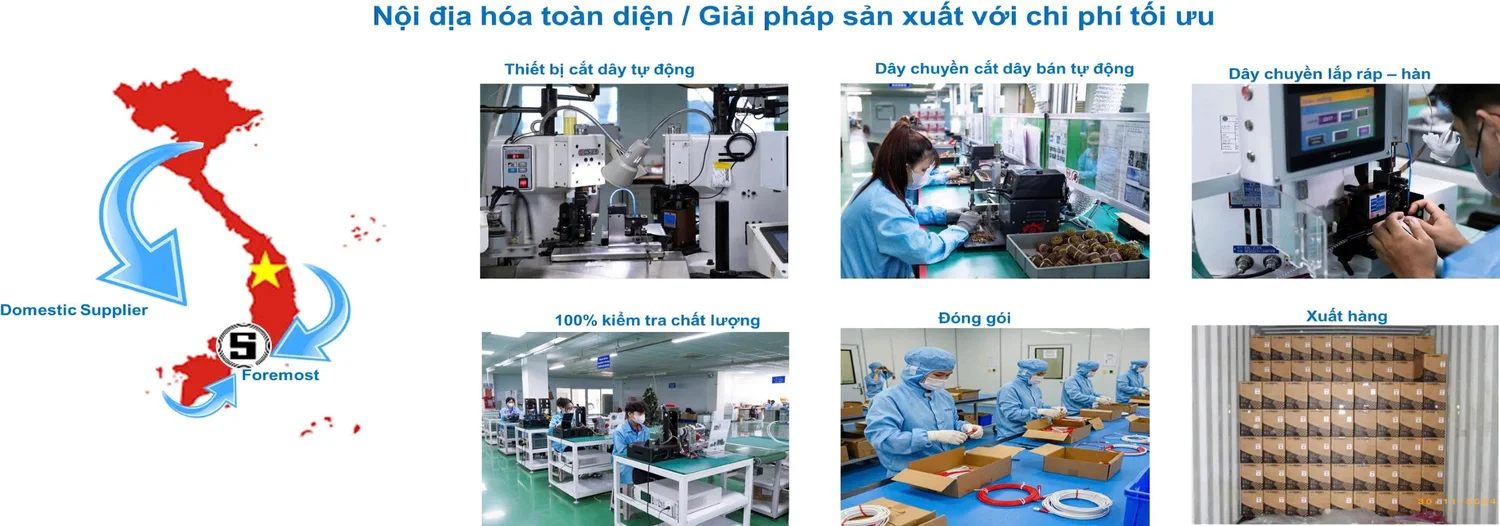
Automated wire cutting and stripping machinery must guarantee uniform cut lengths across thousands of leads within the same production batch. More importantly, the stripping blades must function with micron precision, cleanly removing polymer insulation without nicking, scraping, or severing fine internal copper filaments. Any reduction in copper strand count diminishes effective conductor cross-sectional area, causing localized thermal buildup and short-circuit hazards under heavy electrical loads.
Beyond cutting and stripping, mechanical terminal crimping operations demand strict process control:
• Mechanical crimp presses must establish optimal crimp compaction between the metallic terminal barrel and the copper strand bundle—neither over-crimping to crush the core nor under-crimping to risk loose terminal pull-out.
• Reputable manufacturers perform routine pull-force tensile testing on sample runs, confirming terminals remain securely locked even when subjected to intense physical pulling forces during cabinet installation.
Insulation material standards and environmental adaptability
Industrial machinery operating environments are often demanding, routinely exposing components to elevated thermal cycles, humidity, airborne dust, corrosive chemicals, and continuous mechanical vibration. Therefore, the specification of external protective materials cannot be overlooked.
The manufacturing partner must offer protective sleeving tailored to actual field conditions:
• Thermal endurance and chemical resistance: Applying heat-shrink tubing tightly over splice junctions and crimp transitions to block lubricating oils, corrosive chemicals, and moisture ingress.
• Mechanical abrasion protection: Routing corrugated plastic conduit or braided fiberglass sleeving along harness sections that interface with moving metallic chassis frames, preventing friction wear on insulation jackets over time.
• Connector housing durability: Molded plastic housings must feature flame-retardant properties, thermal stability, and precise locking latch mechanisms. Robust positive-locking latches keep metallic contact pins seated, preventing loose pins or terminal back-out when mated to control circuit boards.
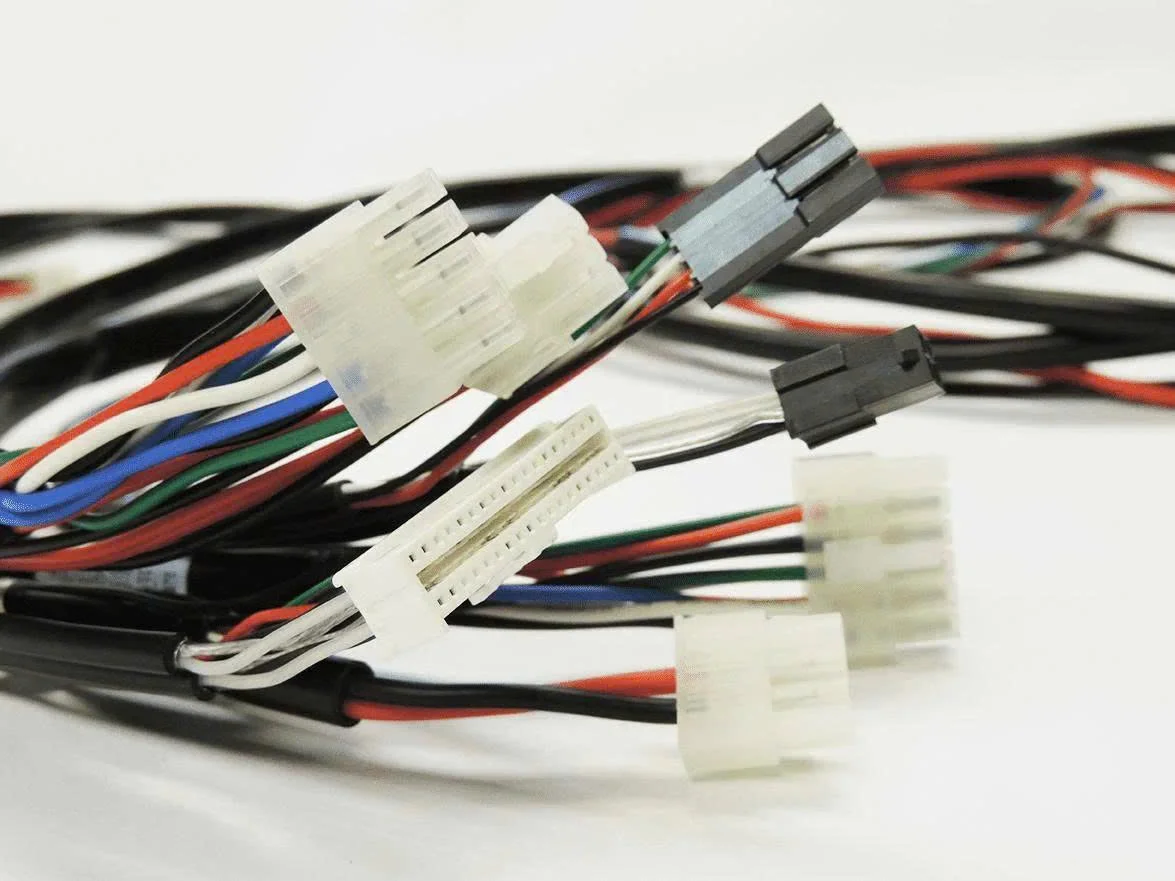
Comprehensive quality testing workflow prior to factory dispatch
Latent internal conductor breaks or cross-short leakage within an integrated harness are virtually impossible to detect visually once protective sleeving is sealed. Consequently, an end-to-end testing workflow prior to dispatch serves as an indispensable prerequisite when selecting an industrial cable harness manufacturing partner.
A standardized quality workflow must incorporate automated continuity testing using dedicated electronic test fixtures. The testing system sweeps electronic test signals across each harness branch to quickly detect hidden defects:
• Latent breaks or fractured copper filaments inside intact outer jackets.
• Electrical short circuits between adjacent parallel conductive pathways.
• Mispinned contact locations or inverted color-coded wiring paths.
• Elevated contact resistance caused by inadequate terminal crimp compaction.
In addition to electronic validation, thorough visual and physical audits must be performed. Every harness breakout branch must carry clear circuit identification labels matching electromechanical schematics, streamlining field integration for assembly technicians. Packaging standards must ensure harnesses are neatly coiled and sealed in moisture-barrier bags to preserve contact pins during warehouse storage and transport.
GET THE BEST QUOTE
Contact ZENG HSING now via Zalo or Website to receive advice on suitable specifications and get a prompt quotation!
Partner with Zeng Hsing for industrial cable harness manufacturing
Selecting the right manufacturing partner mitigates assembly line downtime, lowers maintenance costs, and reinforces electrical safety across machinery installations. Backed by automated wire processing equipment and comprehensive electrical continuity testing, Zeng Hsing provides precision industrial cable harness manufacturing services that meet demanding engineering standards at cost-effective rates for your project.
ZENG HSING VIET NAM
- Address: Unit 03-08, Canary Plaza, Binh Duong Boulevard, Binh Hoa Ward, Ho Chi Minh City, Vietnam
- Hotline: (+84) 0355 846 965 (Mr. Nghia) – (+84) 0362 476 478 (Mr. Nam)
- Email: nghia_duong@zenghsing.com.vn / nam_vu@zenghsing.com.vn
- Website: zenghsing.vn

