
The quality of an engineering plastic component is defined almost entirely by the build accuracy of a precision plastic injection mold. To produce tight-tolerance components for the electronics or automotive industries, the mold making process must strictly comply with engineering specifications. Mastering technical standards regarding machining tolerances, tool steel hardness, and cavity surface polish levels helps enterprises effectively control manufacturing expenses and maximize mold operational lifespan.
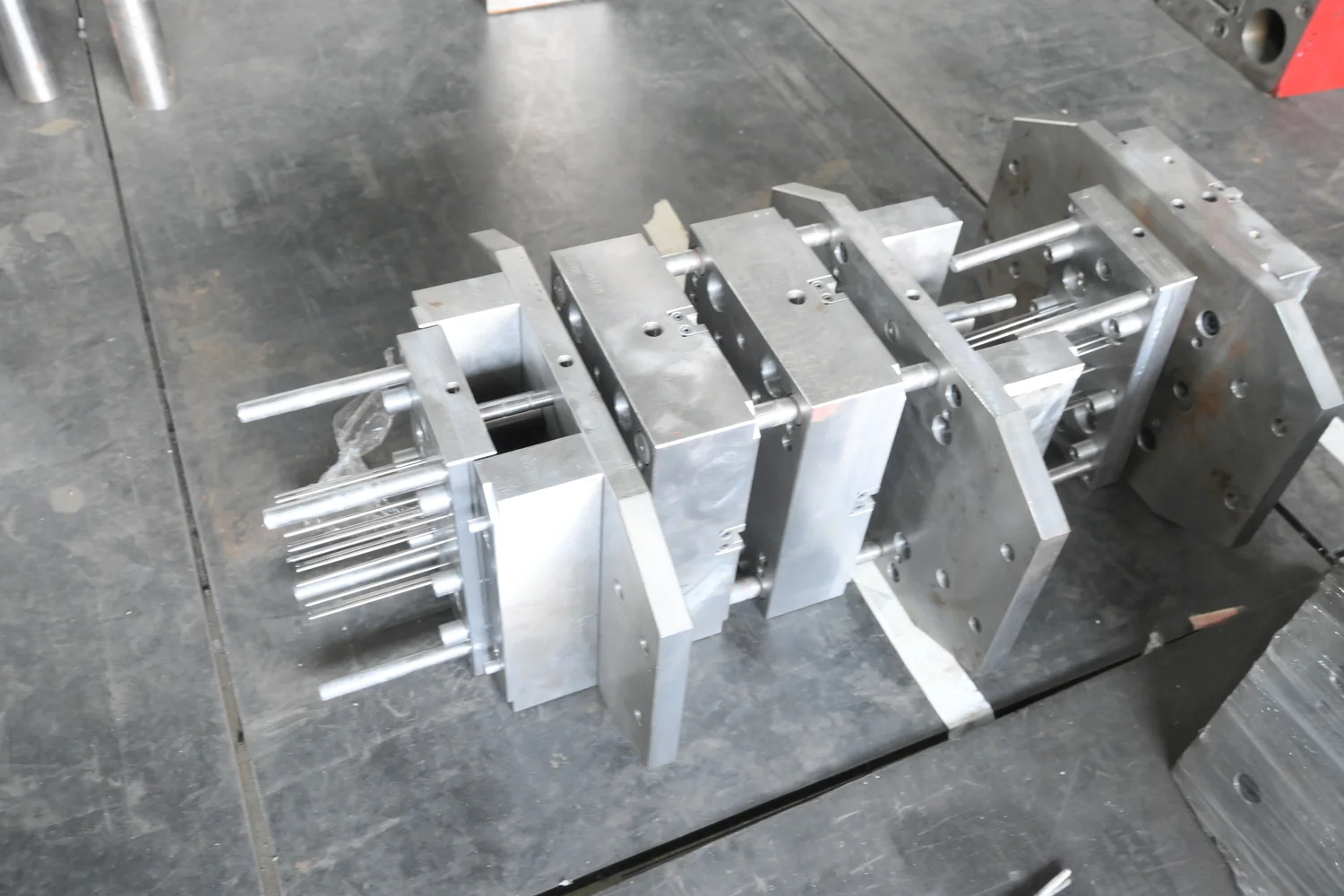
Standards for machining tolerance classes and geometric accuracy
Dimensional precision serves as the critical engineering metric to evaluate the build quality of an injection mold:
Core and cavity dimensional tolerances
For a precision plastic injection mold, the machining tolerances of functional components—including cavity inserts, core inserts, and slide mechanisms—must typically fall within ±0.005 mm to ±0.01 mm. This precision guarantees that molded parts maintain consistent dimensional repeatability across production runs, eliminating mating discrepancies during final product assembly.
Concentricity and squareness tolerances
The mold guiding mechanism, comprising guide pins and guide bushings, requires near-perfect alignment. If squareness or parallelism deviations across mold plates exceed allowable thresholds, center-line offset will occur, inducing uneven mold wear or parting line flash under high machine clamping tonnages.
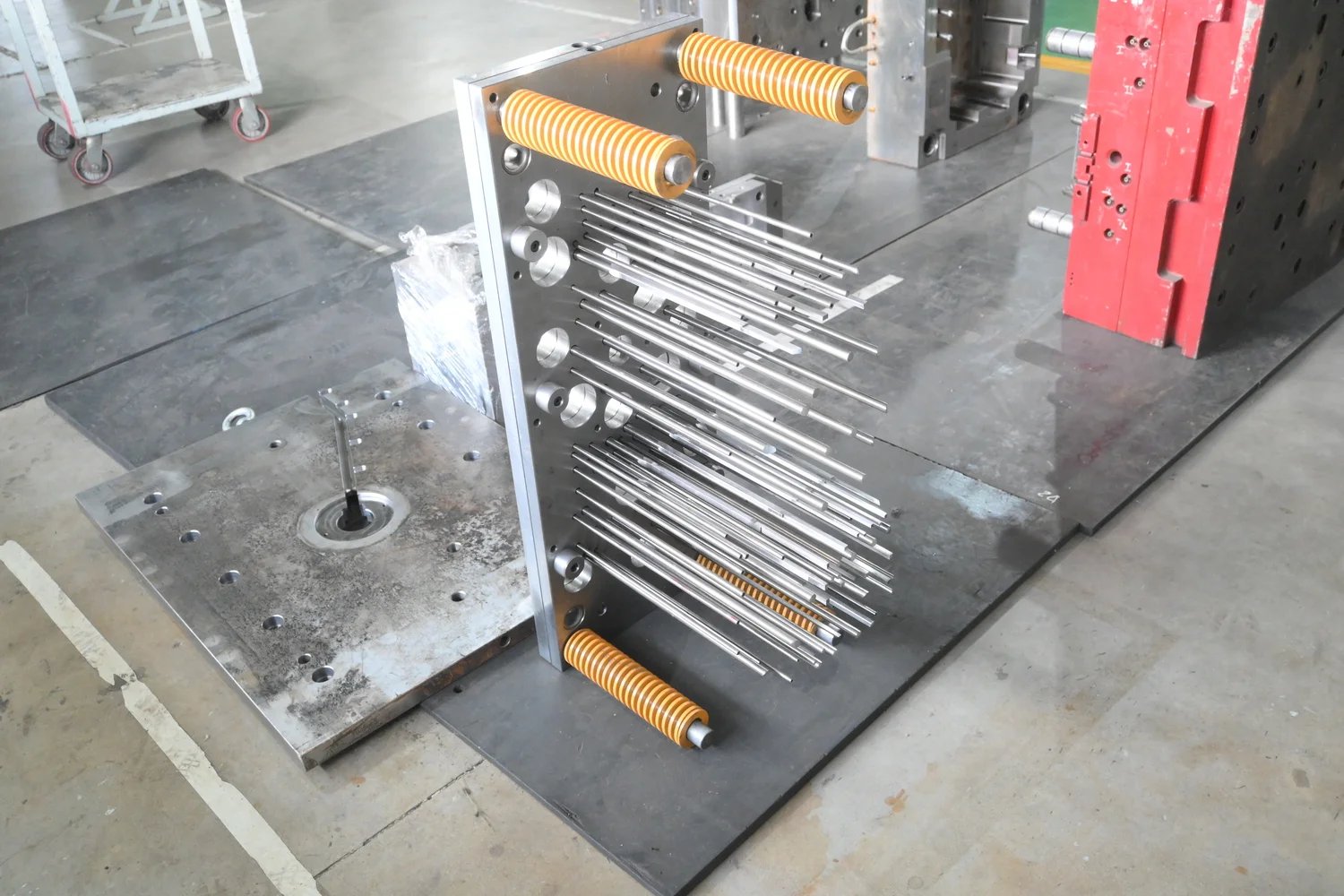
Standards for tool steel selection and material hardness in a precision plastic injection mold
The hardness and fatigue strength of tool steel directly dictate the shot life a mold can sustain before requiring refurbishment:
S50C steel (hardness approximately 18 – 22 HRC)
S50C is a structural carbon steel offering favorable machinability at a cost-effective price. This grade is typically specified for mold bases, backing plates, and secondary structural components that do not experience direct frictional wear from molten plastic resin flow.
NAK80 steel (pre-hardened to 37 – 43 HRC)
NAK80 is a pre-hardened tool steel featuring uniform grain structure, consistent hardness, and superior mirror-polishing capability. This grade is suited for high-gloss cosmetic cavities, optically transparent parts, and precision electronic components without risks of thermal distortion from post-machining heat treatment.
SKD61 steel (post-heat treatment hardness 48 – 52 HRC)
SKD61 belongs to the hot-work tool steel family, offering high thermal stability, thermal checking resistance, and wear endurance. SKD61 is routinely selected for ejector pins, high-temperature core inserts, or molds processing abrasive glass-fiber-reinforced engineering polymers (such as PA66 + GF or PBT + GF).
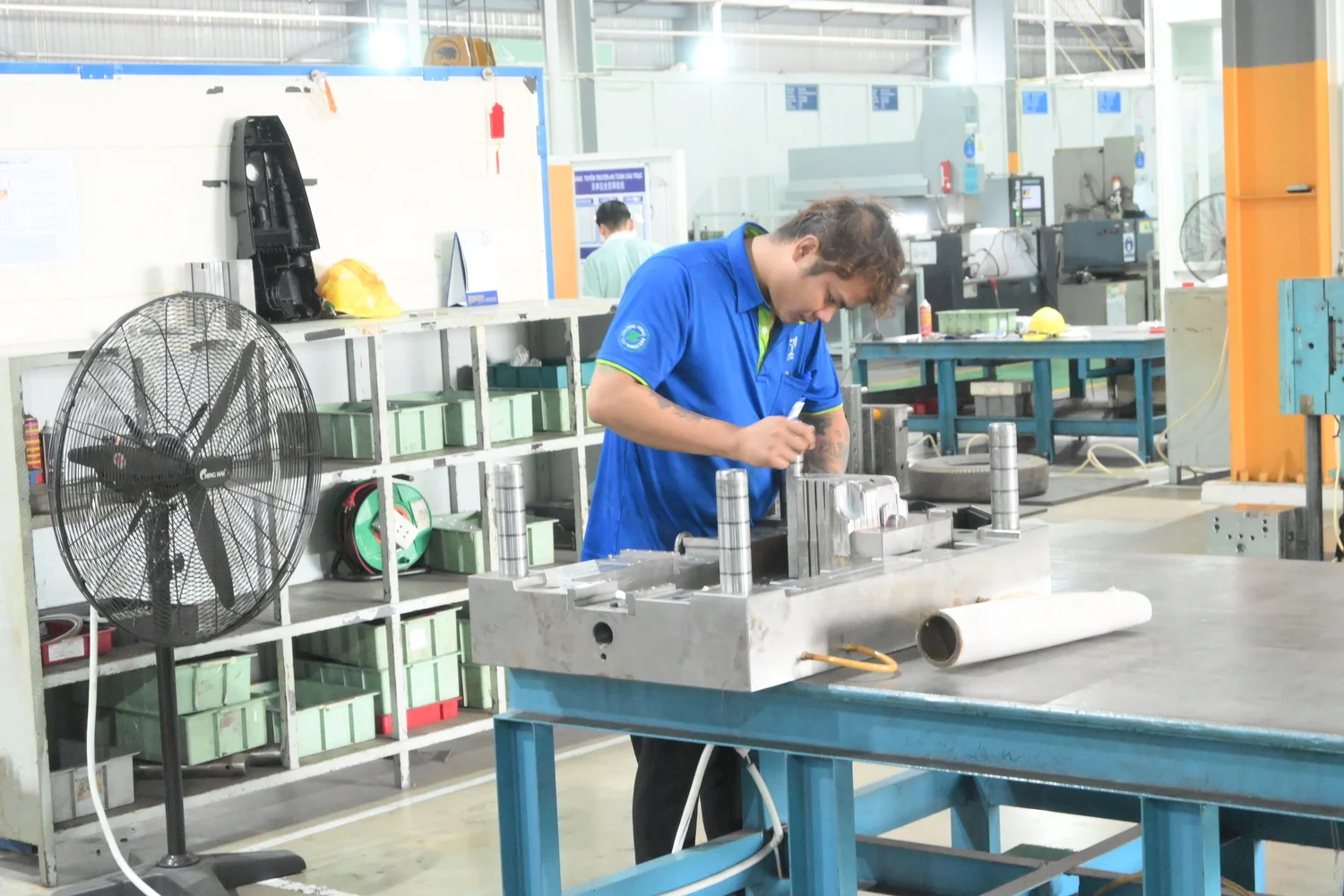
Standards for surface polish and cavity texturing
Cavity surface quality not only governs final component aesthetics but also directly dictates demolding performance during each molding cycle:
Polishing grades
The surface of a precision plastic injection mold cavity is typically processed according to international standards such as SPI. For plastic parts requiring optical clarity (such as PC or PMMA) or high-gloss cosmetic exteriors, cavities undergo mirror polishing from SPI A-1 to A-3 using diamond paste compounds, eliminating micro-scratches and optical aberrations.
Surface texturing standards
For industrial enclosures requiring scratch resistance or tactile grip, cavity steel surfaces undergo texturing via chemical etching (such as Mold-Tech standards) or electrical discharge machining (EDM) complying with VDI 3400 texture scales. When applying textured finishes, draft angles must be sized adequately—typically adding an extra 1° per unit of texture depth—to prevent surface scuff marks during part ejection.
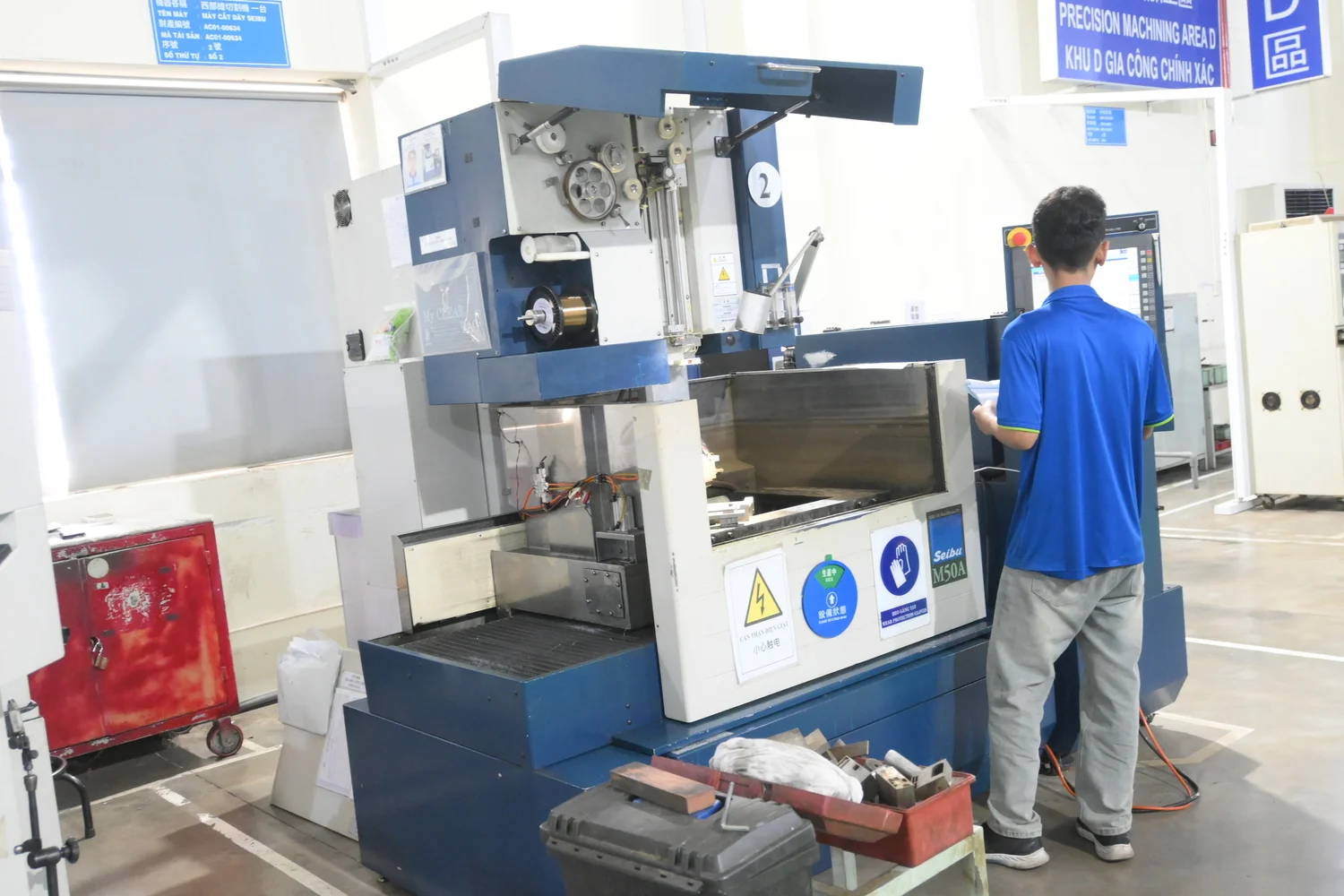
GET THE BEST QUOTE
Contact ZENG HSING now via Zalo or Website to receive advice on suitable specifications and get a prompt quotation!
Technical consultation and quotations for a precision plastic injection mold at Zeng Hsing
A precision plastic injection mold machined to rigorous technical standards reduces secondary tool modifications, optimizes molding cycle times, and preserves consistent part tolerances across hundreds of thousands of production shots. If your business needs detailed consultation on tool steel selection, mold architecture design, or a reliable manufacturing partner, connect with Zeng Hsing via our website at zenghsing.vn or through our hotlines: (+84) 0355 846 965 (Mr. Nghia) – (+84) 0362 476 478 (Mr. Nam) for engineering assistance and tailored quotations.
ZENG HSING VIET NAM
- Address: Unit 03-08, Canary Plaza, Binh Duong Boulevard, Binh Hoa Ward, Ho Chi Minh City, Vietnam
- Hotline: (+84) 0355 846 965 (Mr. Nghia) – (+84) 0362 476 478 (Mr. Nam)
- Email: nghia_duong@zenghsing.com.vn / nam_vu@zenghsing.com.vn
- Website: zenghsing.vn

