
In machinery equipment and electronic hardware systems, wire harnesses serve as the vital network transmitting power and control signals between functional sub-assemblies. A single loose crimped terminal contact or mispinned connector housing can disrupt the operation of the entire system. Therefore, the cable harness manufacturing process relies on rigorous automated inspection sequences to detect defects early prior to final dispatch.
Continuity testing to verify conductor core integrity
Electrical continuity testing serves as the baseline inspection protocol to confirm continuous conductivity from end to end across every individual conductor within the wire harness assembly. To execute this check, technicians connect harness terminal connectors into dedicated test benches. The testing instrument automatically sweeps low-voltage electrical signals across each core to measure circuit resistance values:
• Detecting latent internal copper fractures: Wire jacket stripping, conduit threading, or repeated bending during assembly can fracture delicate internal copper strands. The test unit flags an immediate error upon sensing open circuits.
• Verifying contact resistance across crimp interfaces: If the mechanical contact interface between the conductor core and the terminal barrel fails to meet engineering criteria, measured loop resistance will exceed specified drawing tolerances.
• Preventing operational voltage drop: Ensuring circuit resistance remains within specified parameters guarantees equipment runs stably, eliminating intermittent flicker or voltage dips under live electrical loads.
Through automated data scanning, internal conductor breaks concealed beneath intact insulation sheathing are detected quickly without compromising the outer cosmetic finish of the finished harness.
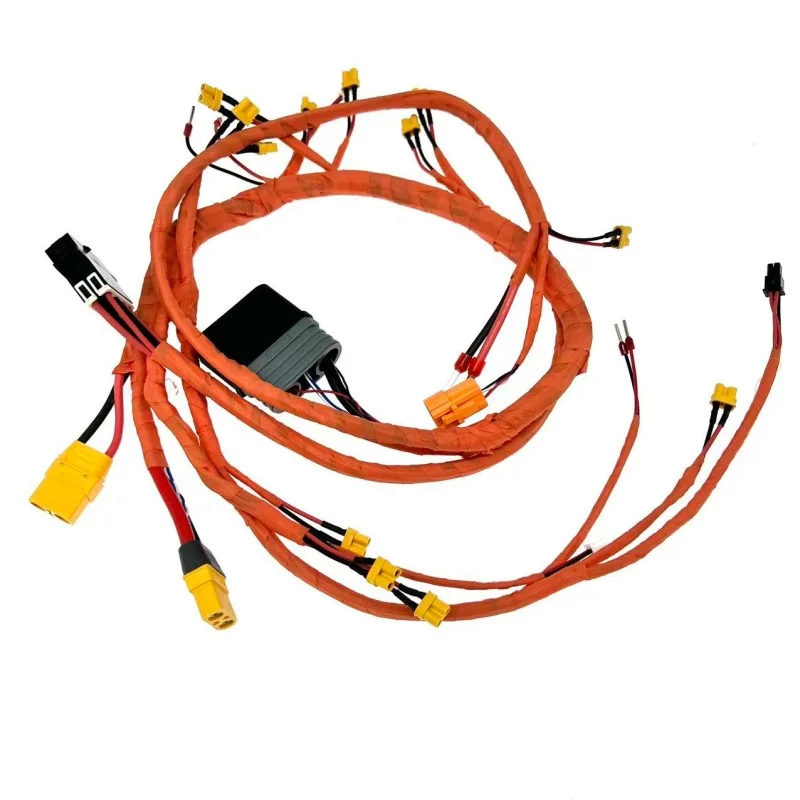
Pinout mapping verification to prevent polarity inversion and short circuits
For multi-branch harnesses or high-density connectors housing dozens of contact cavities, miswiring is an elevated risk when relying purely on manual operator insertion. Electronic test boards audit the complete pinout schematic against a pre-programmed netlist matrix derived directly from engineering drawings.
This testing method addresses critical technical failure modes:
• Detecting mispinned contact cavities: The testing unit cross-checks contact positions against wire insulation color codes and assigned circuit functions within each connector cavity.
• Preventing reverse polarity damage: Inverting positive and negative leads can destroy sensitive microcontrollers and ICs upon initial power-up; automated scanners trigger visual and acoustic alarms if conductivity polarity is inverted.
• Screening for electrical short-circuit paths: Stray copper filaments from improper crimping, metallic burrs, or insufficient contact clearances can cause bridging shorts across adjacent circuits. The test bench halts the cycle and highlights the exact shorted pin coordinates.
Enforcing strict pinout verification ensures the harness mates reliably with target printed circuit board headers, streamlining downstream integration on assembly lines.
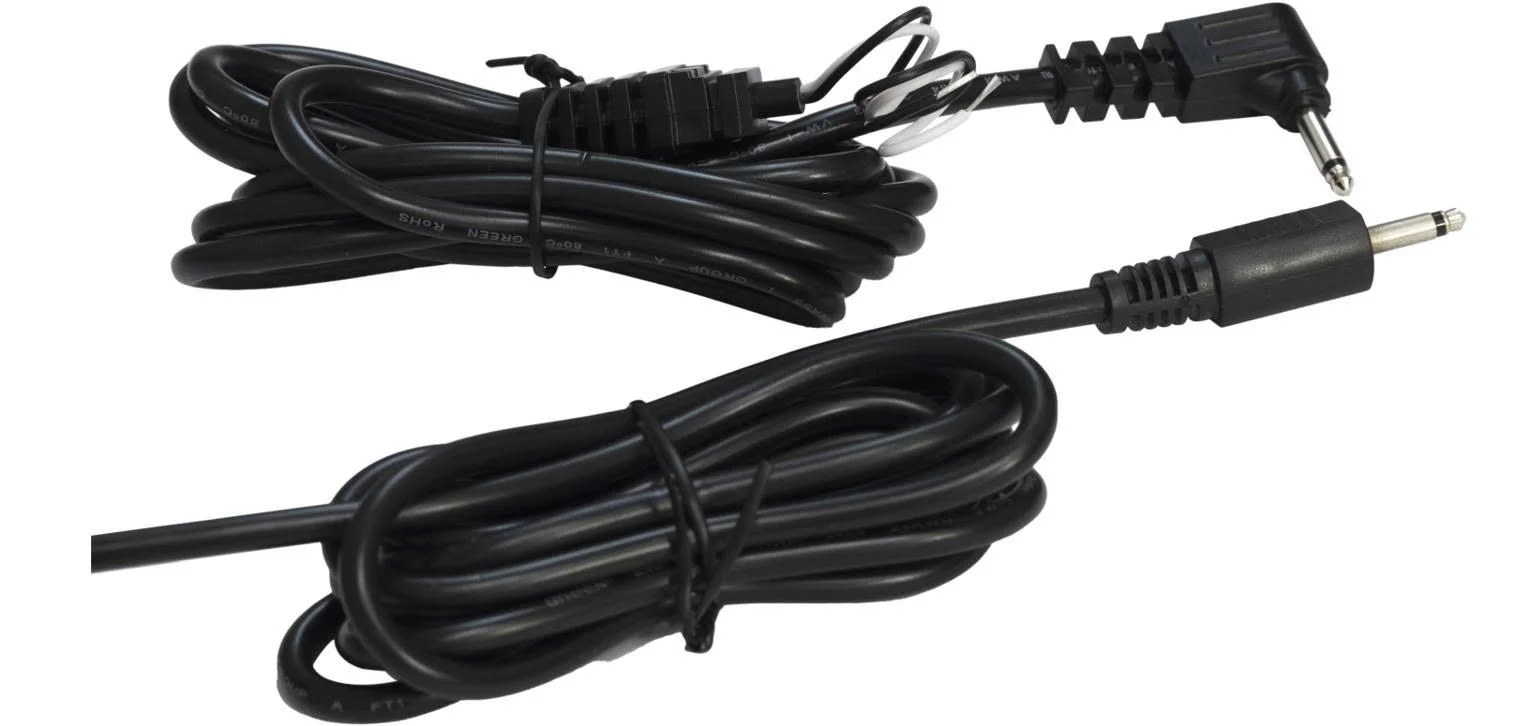
Pull-force tensile testing to evaluate terminal crimp bond strength
Alongside electrical conductivity, mechanical joint retention at crimped terminal interfaces is an essential metric dictating harness operational service life. A visually acceptable crimp does not guarantee compliant mechanical retention if crimp tooling compression was incorrectly calibrated. On the factory floor, finished wire samples are pulled randomly across production lots to undergo calibrated motorized pull-force testing:
• Detecting under-crimped terminals: If crimping dies do not achieve sufficient depth, the terminal grips only the outer insulation jacket without locking the copper core, making the wire prone to pull-out under field vibration or pulling loads.
• Preventing over-crimped terminals: Excessive crimp tooling compaction partially severs or crushes internal copper strands and thins the terminal barrel wall, degrading structural tensile strength and electrical capacity.
• Validating safe mechanical pull-off thresholds: The motorized pull tester plots real-time tensile force curves until mechanical separation occurs, benchmarking values against international electromechanical standards to ensure long-term retention strength.
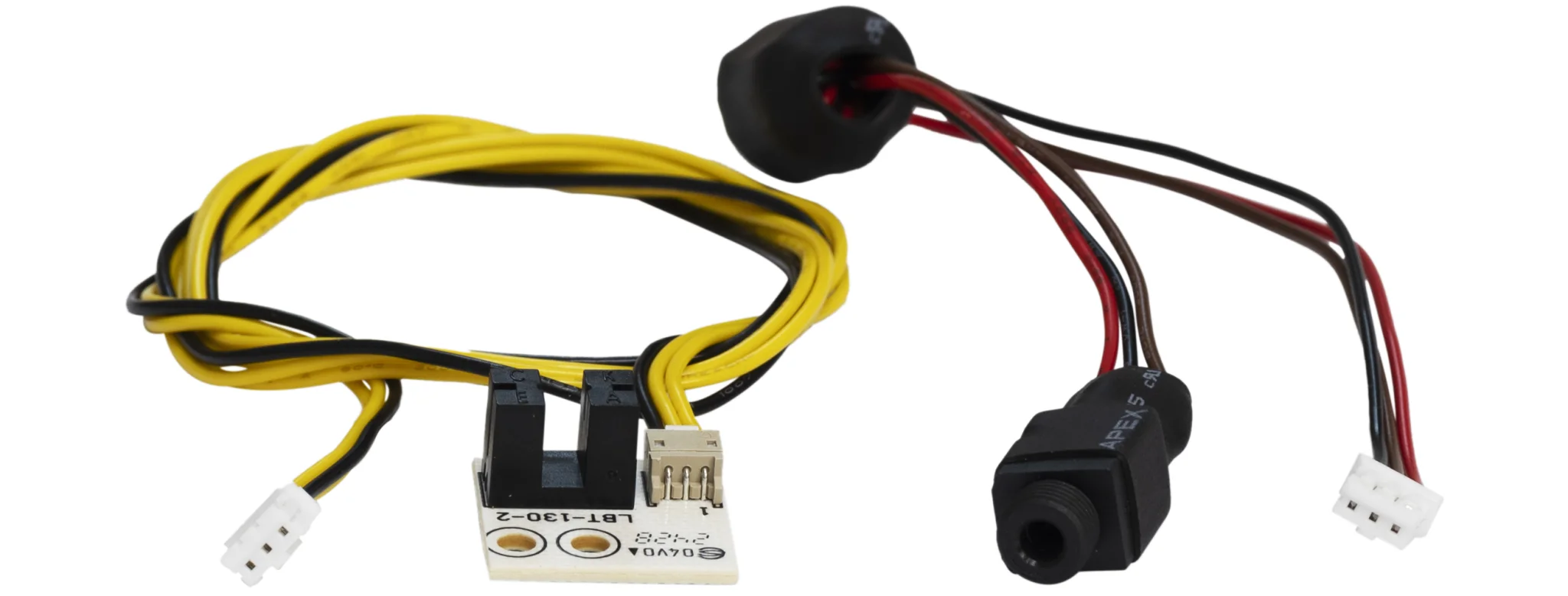
Summary table of wire harness testing methodologies
| Inspection methodology | Technical objective | Common detected failure modes |
|---|---|---|
| Electrical continuity testing | Verifies uninterrupted current and signal transmission | Latent broken cores, high resistance, loose contact interfaces |
| Pinout mapping verification | Cross-checks wire positions within connector cavities | Mispinned cavities, reversed polarity, short circuits across pins |
| Tensile pull-force testing | Assesses mechanical crimp retention strength | Under-crimped terminals pulling loose, over-crimped severed strands |
Custom cable harness manufacturing and quality validation at Zeng Hsing
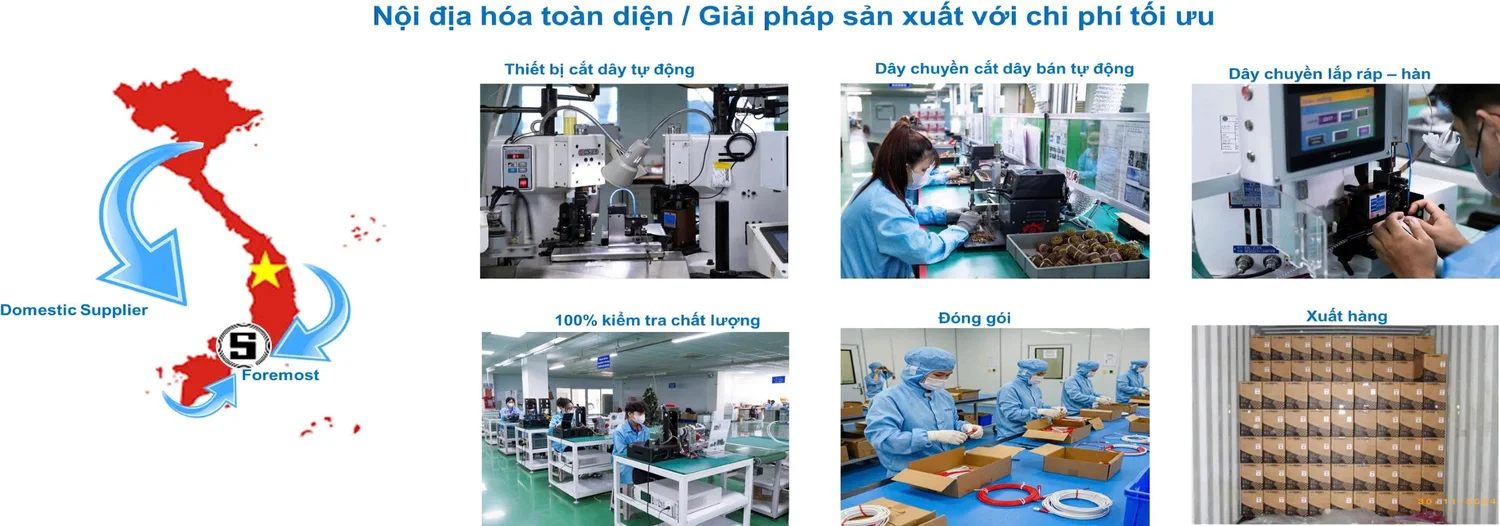
At Zeng Hsing, every manufacturing step—from wire jacket stripping and automated terminal crimping to protective sleeving—is systematically controlled across each station. Every completed harness assembly undergoes electrical continuity testing and pinout mapping on automated electronic test benches prior to packaging, ensuring shipped products operate reliably and match engineering drawings.
Enterprises seeking an experienced partner for custom cable harness manufacturing can contact our engineering team directly via hotlines (+84) 0355 846 965 (Mr. Nghia) – (+84) 0362 476 478 (Mr. Nam). We are ready to provide technical consultation and a detailed manufacturing quotation for your project.
GET THE BEST QUOTE
Contact ZENG HSING now via Zalo or Website to receive advice on suitable specifications and get a prompt quotation!
ZENG HSING VIET NAM
- Address: Unit 03-08, Canary Plaza, Binh Duong Boulevard, Binh Hoa Ward, Ho Chi Minh City, Vietnam
- Hotline: (+84) 0355 846 965 (Mr. Nghia) – (+84) 0362 476 478 (Mr. Nam)
- Email: nghia_duong@zenghsing.com.vn / nam_vu@zenghsing.com.vn
- Website: zenghsing.vn

