
In industrial equipment and automated machinery systems, wire harnesses do not merely transmit electrical current; they must also maintain physical integrity under continuous operational stresses. Utilizing substandard materials or processing outside engineering tolerances leaves wiring susceptible to cracked insulation, short circuits, or signal attenuation. Below are 5 vital technical standards in cable harness manufacturing that help enterprises assess wiring system build quality prior to final assembly integration.
Conductor and insulation safety certification standards (UL/RoHS)
Incoming materials directly determine the operating life of the entire harness assembly. Certified assemblies require wire materials verified by recognized international safety testing bodies, most notably Underwriters Laboratories (UL):
• UL wire style specifications: Standard wire styles such as UL1007, UL1015, or UL1571 define precise voltage ratings and thermal limits. Specifying the correct wire style prevents thermal overload that leads to melted polymer jackets.
• Conductor metallic purity: Conductive cores typically utilize high-purity bare electrolytic copper or tinned copper. Tin plating provides oxidation resistance in humid environments while keeping circuit loop resistance low and stable.
• RoHS environmental compliance: Polymeric insulation sheathing must remain free of restricted hazardous substances such as lead, mercury, or cadmium, satisfying technical compliance requirements for regulated export markets.
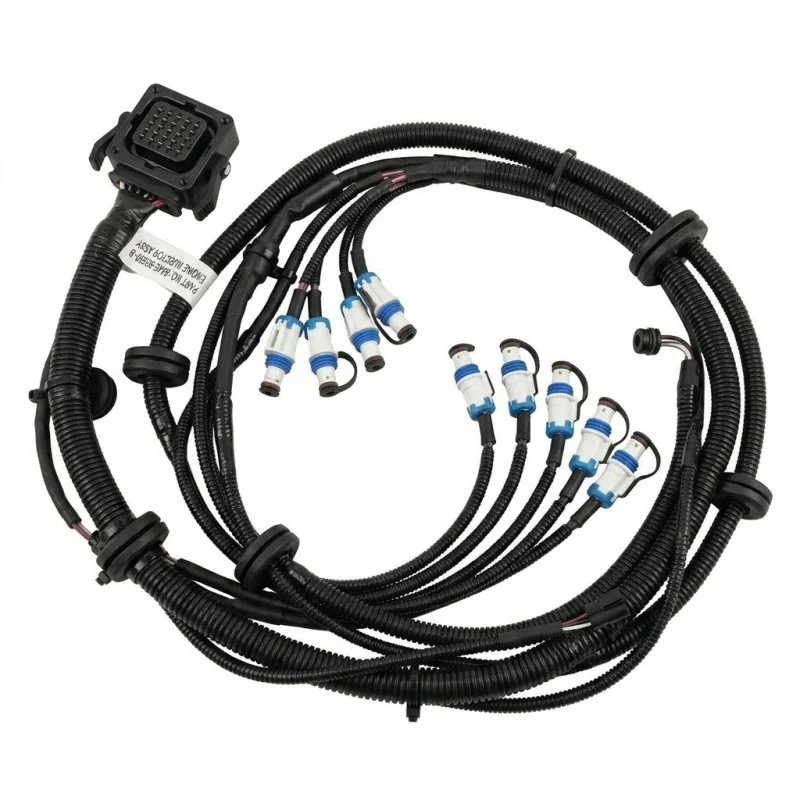
Flame retardancy and self-extinguishing ratings for insulation jackets
Fire safety is a mandatory design requirement for wire harnesses routed through enclosed machine frames. Outer insulation jackets extruded from PVC, PE, or XLPE must undergo standardized flammability testing:
• Vertical flame test standards (VW-1 / FT1): This evaluation tests the self-extinguishing capability of a wire exposed to direct flame. Compliant wire extinguishes within a designated timeframe once the flame source is removed, without dropping flaming particles that could ignite adjacent components.
• Low smoke zero halogen (LSZH) sheathing: Within enclosed spaces or high-density operating zones, specifying modern LSZH materials reduces dense black smoke and suppresses toxic, corrosive halogen gas generation during an electrical short, protecting equipment and operating personnel.
Flexural fatigue resistance and mechanical endurance
Many cable harnesses must operate within continuous motion environments, such as robotic articulating joints, multi-axis CNC machine slides, or automated linear gates. Mechanical endurance depends on two primary engineering factors:
• Conductor stranding density: High-flex cabling is manufactured from dozens of micro-diameter copper strands twisted together rather than a single solid copper core. Fine stranding dissipates localized mechanical fatigue under recurring torsional loads.
• Allowable dynamic bend radius: Every cable specification establishes a minimum bend radius (typically 5 to 10 times the outer cable diameter). Complying with this installation radius prevents jacket cracking and fatigue fractures in internal copper filaments over hundreds of thousands of duty cycles.
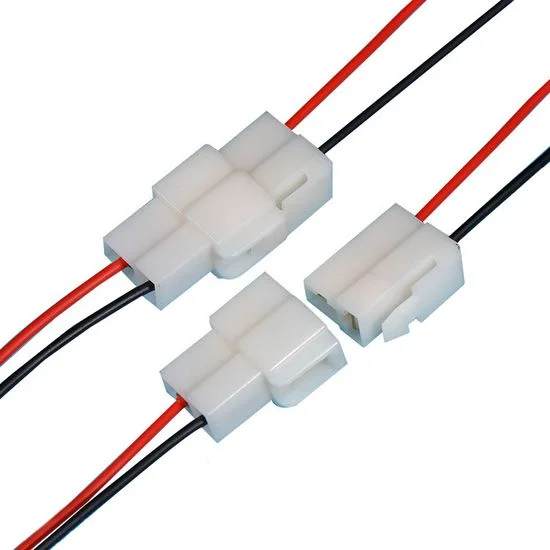
Resistance to industrial oils, chemicals, and environmental moisture
Industrial factory environments routinely present lubricating oils, cutting coolants, and ambient humidity. The outermost protective boundary of a harness requires chemical passivity:
• Industrial oil impermeability: Cable jackets must resist swelling, softening, or embrittlement when exposed to engine lubricants or cutting fluid splatters.
• Moisture barrier and ingress protection: Industrial connectors integrate silicone sealing grommets to prevent water vapor or fluid condensation from penetrating metallic contact cavities, eliminating pin oxidation and electrical leakage.
• Broad operating thermal range: Jacketing compounds must preserve elastomeric flexibility from low sub-zero limits to elevated temperatures near high-heat machinery blocks without embrittlement or surface cracking.
Terminal crimp compression and harness bundling standards
The final execution phase in cable harness manufacturing directly governs electrical contact reliability:
• Crimping compliance with IPC/WHMA-A-620: The crimped interface between the terminal barrel and stranded conductor must achieve optimal compaction density, securing the copper bundle without shearing individual filaments while delivering specified mechanical tensile retention.
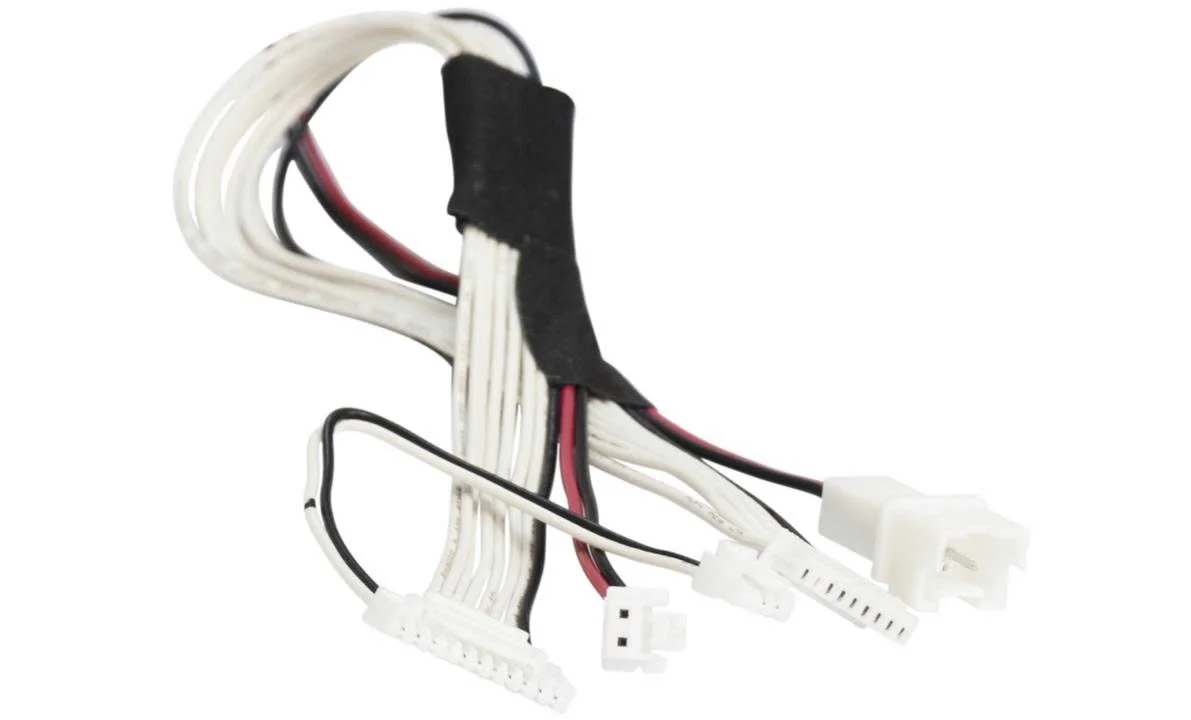
• Breakout branch reinforcement: Harness transition points and breakout junctions require heat-shrink tubing or specialized fabric harness tapes to shield against abrasive rubbing against sharp chassis edges.
• Cable tie bundling tension: Nylon zip ties and bundling straps must apply balanced retention force—sufficient to preserve harness branch routing without over-tightening, which can indent or distort the outer wire sheathing.
GET THE BEST QUOTE
Contact ZENG HSING now via Zalo or Website to receive advice on suitable specifications and get a prompt quotation!
Engineering-grade cable harness manufacturing services at Zeng Hsing
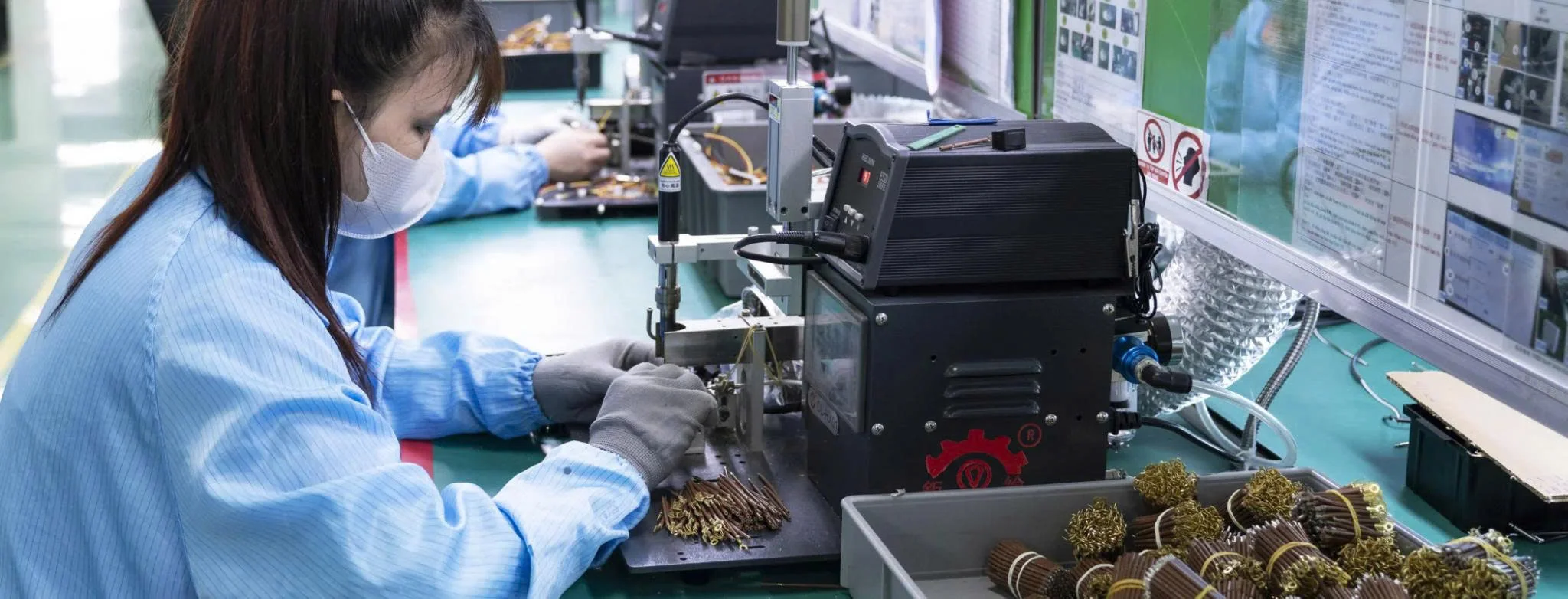
Zeng Hsing specifies UL/RoHS-certified wire styles and contact terminals matched to the operational requirements of your machinery. Our processing operations—from automated wire stripping and terminal crimping to protective sleeving—are verified against strict engineering tolerances.
Enterprises seeking technical material consultation or custom cable harness manufacturing based on engineering drawings can submit project documentation directly to our engineering desk. Our team will review design specifications and provide a tailored manufacturing quotation for your program.
ZENG HSING VIET NAM
- Address: Unit 03-08, Canary Plaza, Binh Duong Boulevard, Binh Hoa Ward, Ho Chi Minh City, Vietnam
- Hotline: (+84) 0355 846 965 (Mr. Nghia) – (+84) 0362 476 478 (Mr. Nam)
- Email: nghia_duong@zenghsing.com.vn / nam_vu@zenghsing.com.vn
- Website: zenghsing.vn

