
Transforming an initial conceptual drawing into a functional plastic component demands strict engineering precision throughout every process phase. Understanding the workflow from plastic mold design to manufacturing enables enterprises to proactively govern quality, mitigate dimensional deviations, and optimize production tooling expenditures. Below is the standardized engineering roadmap spanning initial computer-aided simulation to final operational injection tooling.
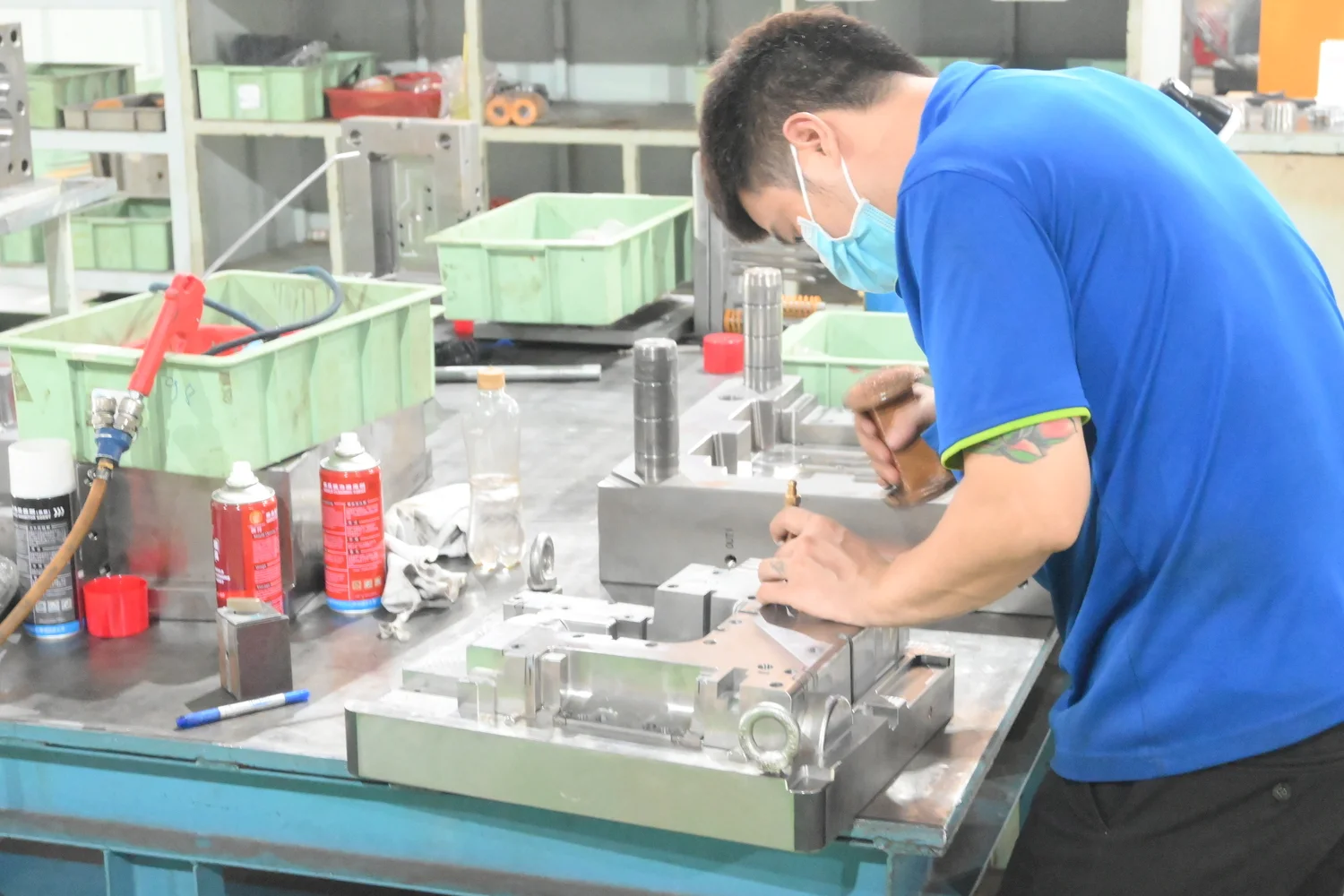
Engineering phase: Moldflow analysis and CAD/CAM design
The foundation of a reliable injection mold begins with rigorous engineering calculations executed on dedicated CAE/CAD software:
Data intake and design for manufacturability (DFM) assessment
Upon receiving 3D CAD files from the client, the engineering team performs an in-depth Design for Manufacturability (DFM) review. Geometric parameters—such as nominal wall thickness, mold draft angles, reinforcing rib configurations, and internal fillet radii—are thoroughly verified. Rectifying design discrepancies at this stage ensures balanced cavity filling and smooth component ejection.
Polymer melt flow simulation using Moldflow
Engineers run Moldflow simulation software to evaluate injection pressures, polymer melt flow velocity, and cooling thermal dissipation. Simulation data accurately identifies optimal injection gate locations, runner sizing, and predicts potential defects including air traps, weld lines, or differential shrinkage warpage.
Detailed 2D/3D mold base and cavity design (CAD/CAM)
Once melt flow paths are optimized, complete structural mold drawings are modeled in 3D CAD software. Engineers design core and cavity inserts, sliding mechanisms, angle lifters, ejector pins, and conformal cooling circuits. Next, the geometric data transfers to CAM software to program precise cutter paths for CNC machining centers.
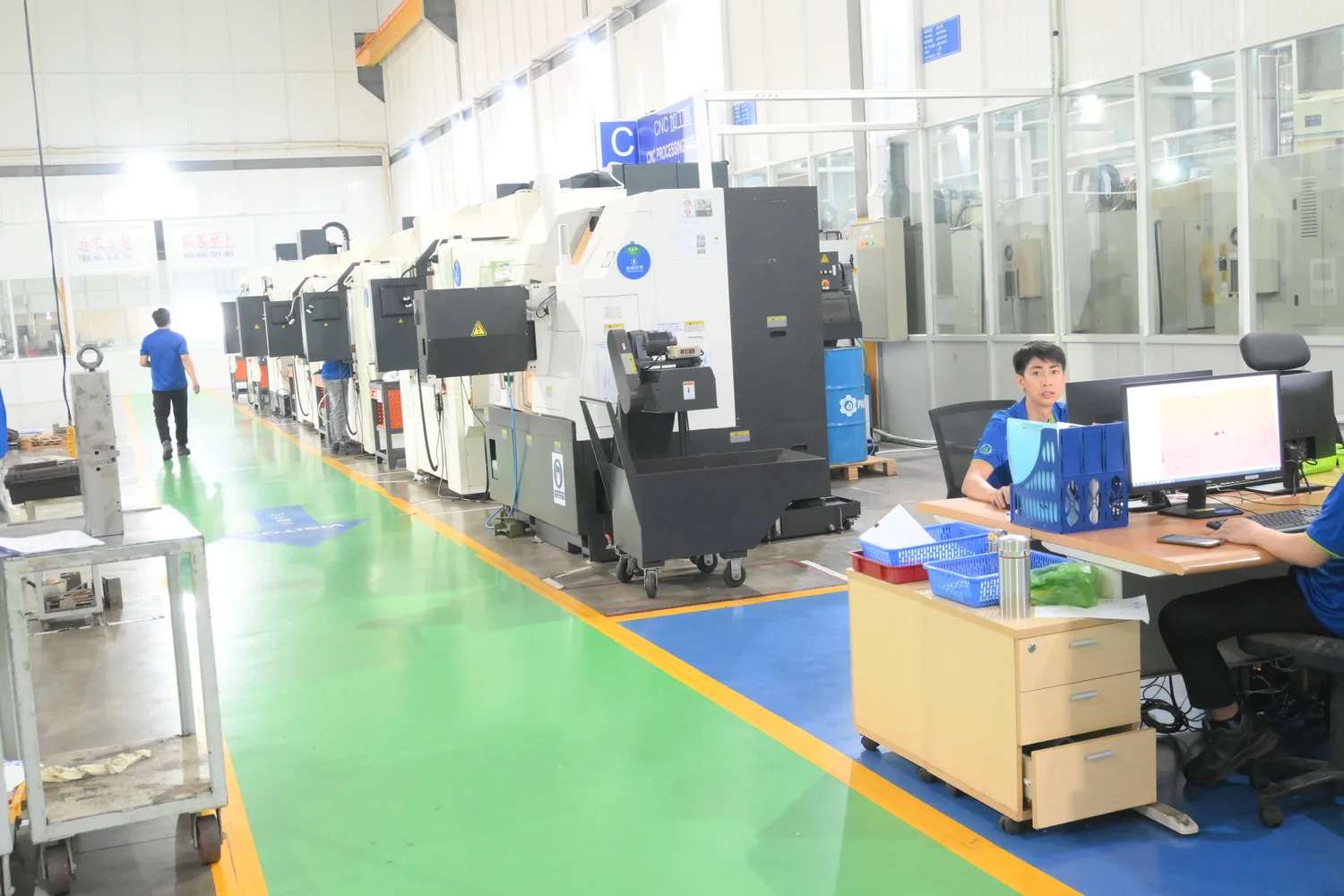
Mechanical machining phase: CNC milling, EDM sinker, and wire cutting
The machining phase converts digital toolpaths into hardened steel tooling components with tight geometric tolerances:
Steel stock preparation and CNC milling
Based on production volume targets and selected resin chemistry, toolmakers select suitable tool steel grades such as S50C, P20, NAK80, or SKD61. Raw steel blocks undergo rough milling to remove excess material, followed by high-speed CNC finish milling to achieve tight cavity tolerances and accurate mold plate parting lines.
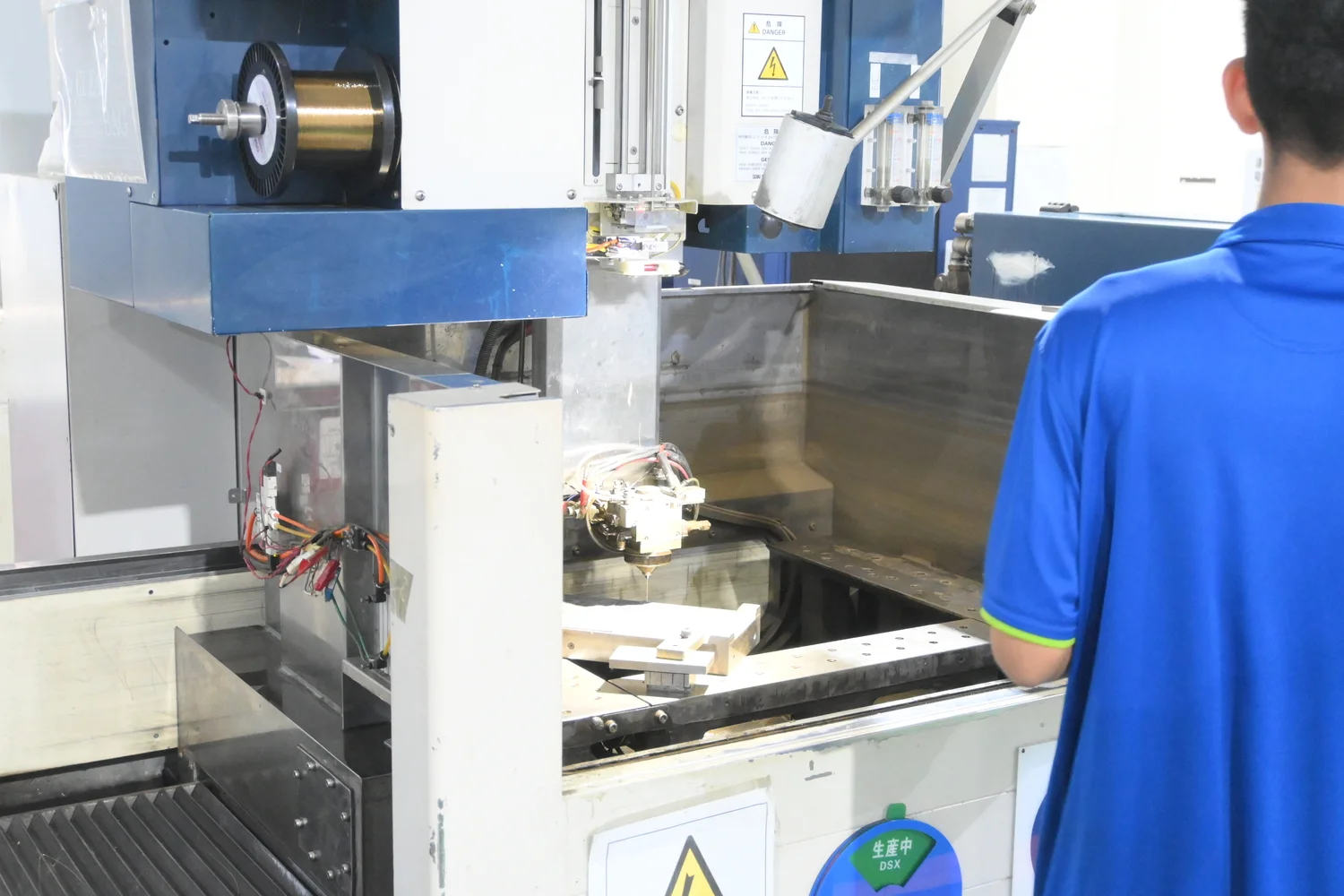
Electrical discharge machining (EDM) and wire EDM cutting
For deep internal corners, narrow rib channels, or complex geometric contours inaccessible to conventional rotating milling cutters, sinker EDM is utilized. Concurrently, high-precision wire EDM handles guide pin apertures, ejector pin through-holes, and precision sliding inserts requiring tight assembly clearances.
Bench hand-polishing and mold assembly
Following machining, cavity and core inserts are bench-stoned and hand-polished by mold technicians according to cosmetic specifications, from technical textured finishes to optical mirror polishes. Ejection mechanisms, guiding pillars, and cooling water manifolds are fitted and assembled into an integrated mold ready for functional trial runs.
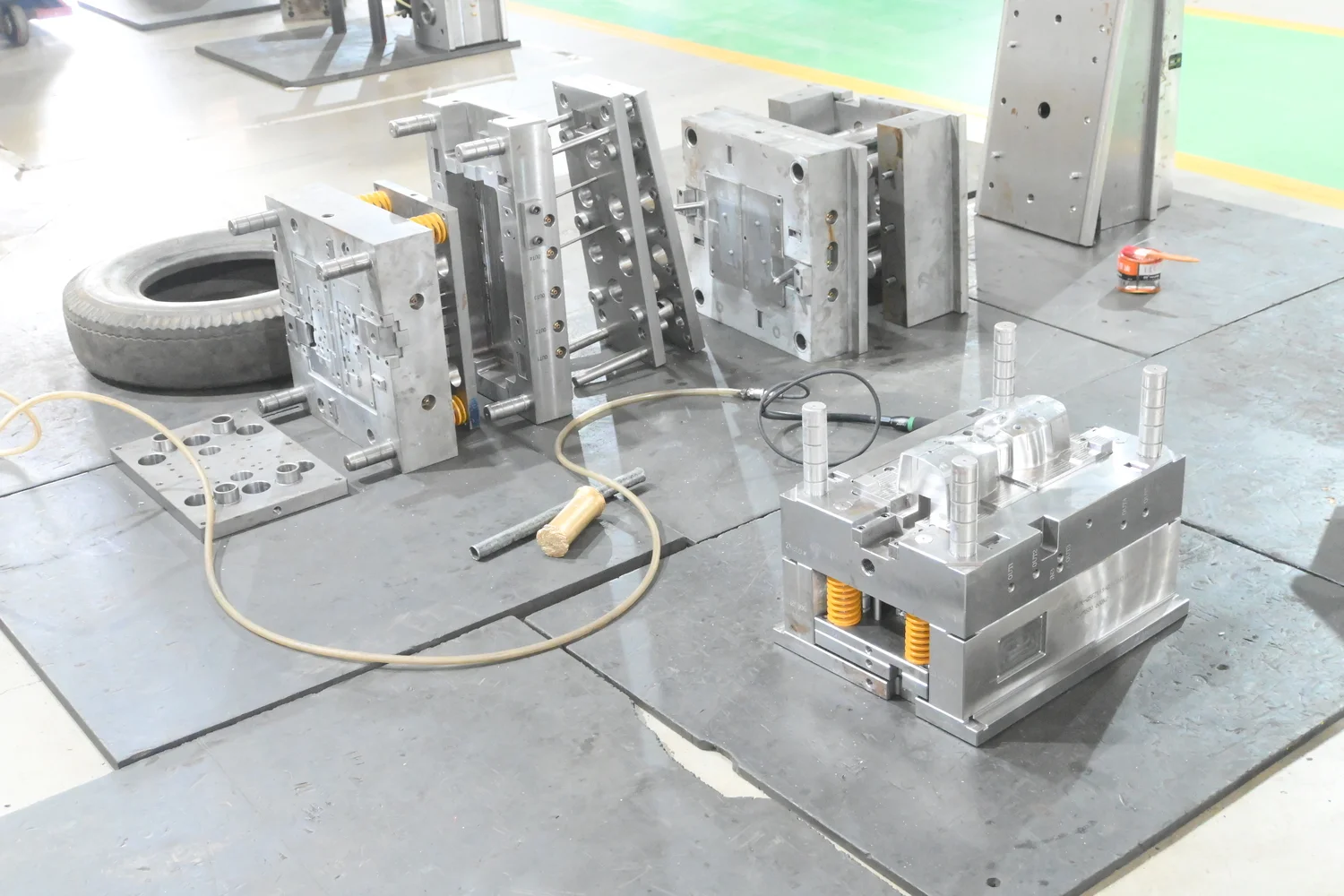
Trial sampling, parameter optimization, and production sign-off
Physical trial sampling validates mechanical tool kinematics against molten polymer behavior:
Mold trial sampling (T0, T1)
The mold is mounted onto an injection molding press with matching clamping tonnage for initial sampling trials. First-article samples (T0) undergo 3D dimensional verification via optical metrology or CMM systems to cross-examine drawing tolerances, shrinkage rates, and surface texture quality.
Parameter fine-tuning and customer approval
If slight dimensional deviations or parting line flash occur, moldmakers modify steel inserts accordingly. Once T1 or T2 samples meet all quality criteria, optimal molding processing parameters (melt temperatures, injection pressures, hold time, and cooling cycles) are locked to support continuous mass manufacturing.
GET THE BEST QUOTE
Contact ZENG HSING now via Zalo or Website to receive advice on suitable specifications and get a prompt quotation!
Partner with Zeng Hsing for precision plastic injection mold tooling
Seamless control across the complete workflow of plastic mold design to manufacturing is a distinctive operational advantage at Zeng Hsing. Backed by an internal mold development center and modern injection molding machinery scaling up to 650 tons, Zeng Hsing provides synchronized tooling solutions, prolonged mold life, and competitive pricing. For technical consultations and tooling quotations, please contact us via our website at zenghsing.vn or through our hotlines: (+84) 0355 846 965 (Mr. Nghia) – (+84) 0362 476 478 (Mr. Nam).
ZENG HSING VIET NAM
- Address: Unit 03-08, Canary Plaza, Binh Duong Boulevard, Binh Hoa Ward, Ho Chi Minh City, Vietnam
- Hotline: (+84) 0355 846 965 (Mr. Nghia) – (+84) 0362 476 478 (Mr. Nam)
- Email: nghia_duong@zenghsing.com.vn / nam_vu@zenghsing.com.vn
- Website: zenghsing.vn

