
In the field of industrial plastic injection molding, selecting the right raw material directly dictates the component's mechanical durability, operational lifespan, and overall manufacturing budget. Each engineering polymer possesses distinct physical and mechanical characteristics tailored to specific applications. Below is a direct comparison of three commonly used engineering resins—ABS, POM, and PP—to help you select the optimal material solution for your project.
ABS resin: Balancing impact strength and aesthetic surface finish
ABS (acrylonitrile butadiene styrene) is a widely utilized thermoplastic polymer renowned for its balanced combination of structural mechanical strength and post-molding cosmetic quality.
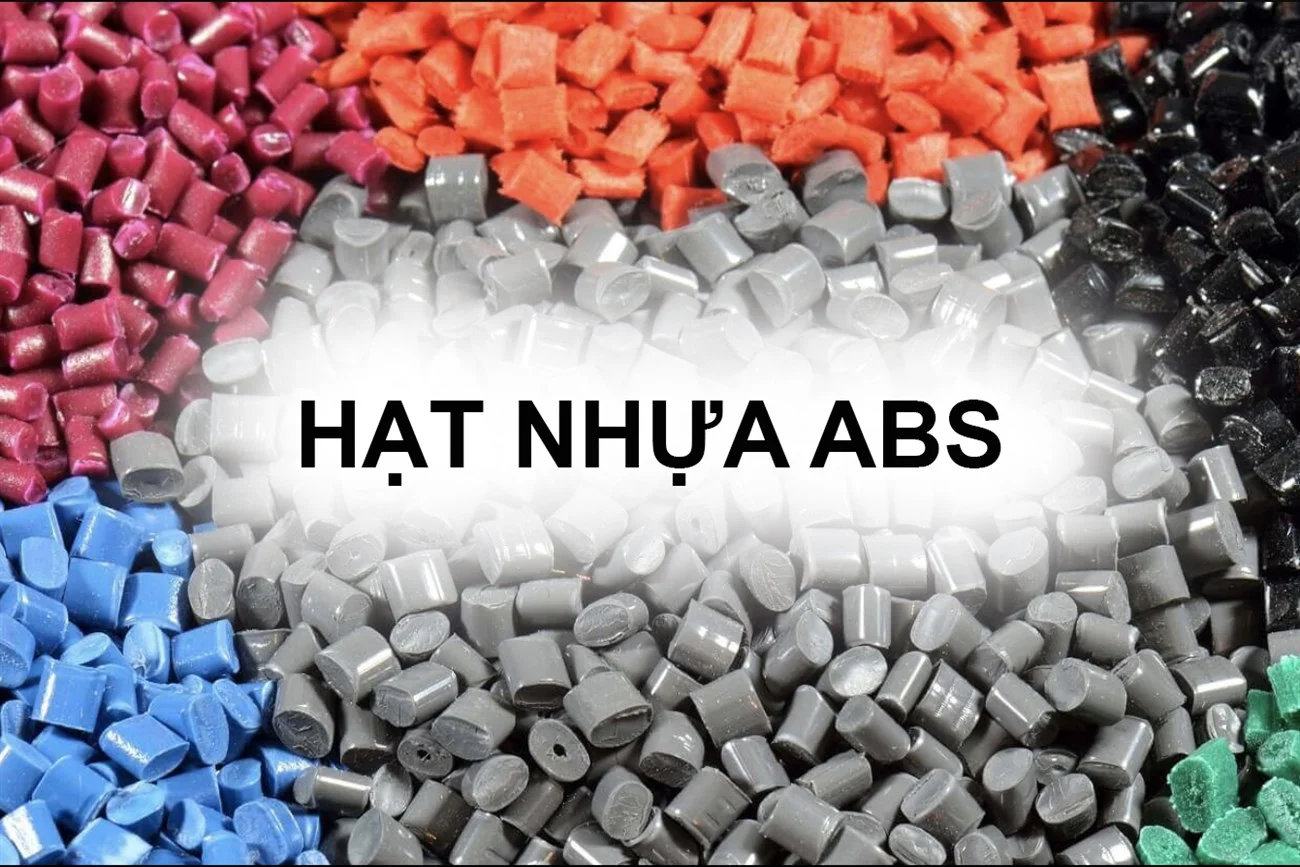
– Mechanical strength: The polymer structure of ABS provides high surface hardness, good impact resistance, and low susceptibility to cracking under typical external mechanical loads. Molded ABS components exhibit solid dimensional stability, maintaining their designed geometry throughout the product lifecycle.
– Thermal endurance: ABS operates reliably across continuous working temperatures between 80°C and 100°C. This thermal threshold suits domestic consumer appliances and internal enclosures not exposed directly to high heat sources.
– Processability: ABS exhibits relatively low mold shrinkage (around 0.4% to 0.7%), and its steady melt flow characteristics easily fill intricate mold cavities. Molded components have a smooth, glossy surface finish, ideal for secondary finishing operations such as silk-screen printing, painting, or chrome electroplating.
Typical applications of ABS in industrial plastic injection molding include home appliance housings, electronic equipment enclosures, automotive interior trim components, and machinery control panels.
POM resin: Superior wear resistance optimized for kinematic parts
POM (polyoxymethylene), commonly referred to as acetal or "plastic steel," is an engineering thermoplastic dedicated to kinematic components requiring high rigidity and flexural fatigue endurance.
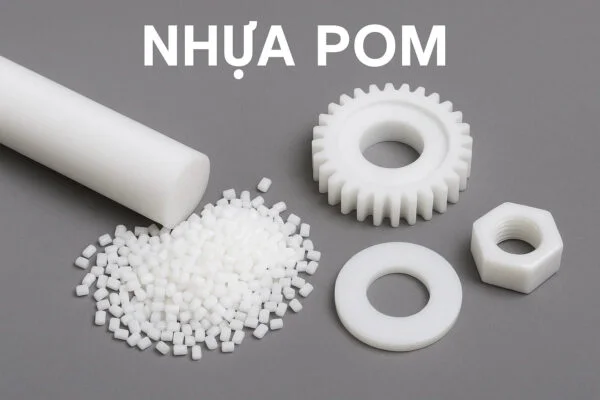
– Mechanical strength and coefficient of friction: POM offers high tensile strength and stiffness alongside intrinsic self-lubricating properties. Its low coefficient of sliding friction provides exceptional wear resistance during continuous metal-to-plastic or plastic-to-plastic contact over extended cycles.
– Thermal endurance and chemical resistance: POM withstands continuous operational temperatures ranging from 100°C to 120°C while maintaining dimensional stability across ambient temperature variations. Furthermore, it resists lubricating greases, fuels, and organic solvents.
– Processability: Because POM is a semi-crystalline polymer, it exhibits higher volumetric mold shrinkage (from 1.5% to 2.5%) and a rapid crystallization rate. Consequently, injection molds require precisely engineered runner gates and balanced conformal cooling circuits to prevent part warpage.
Given these properties, POM is the preferred choice for molding moving mechanical parts such as drive gears, bushings, sliding valve spools, latching mechanisms, and conveyor rollers.
PP resin: High chemical resistance, fatigue toughness, and cost efficiency
PP (polypropylene) is an established material in industrial plastic injection molding when enterprises prioritize component weight reduction and economical high-volume production runs.
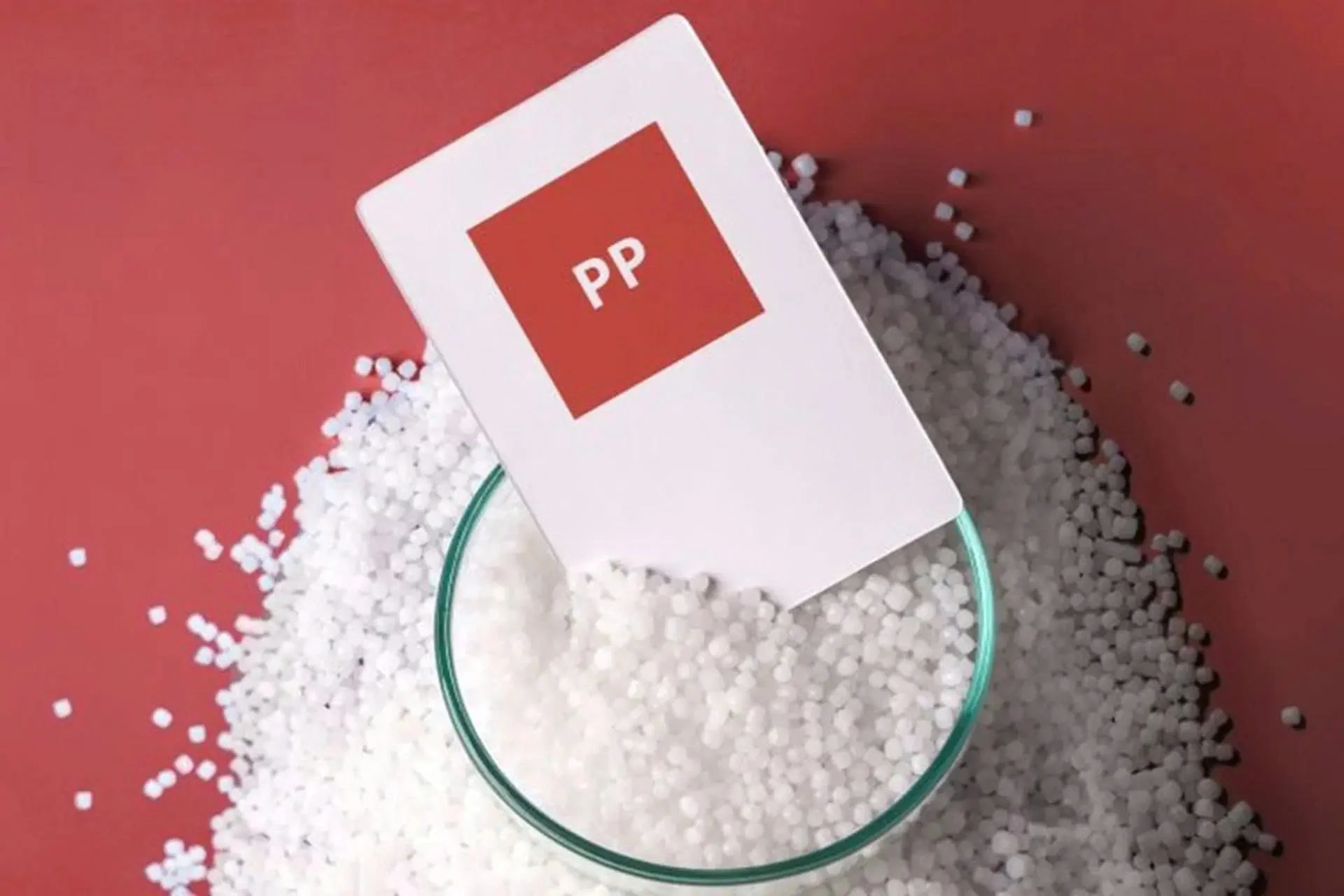
– Mechanical strength and flexural fatigue: The hallmark characteristic of PP is its high flexural fatigue strength. Even when subjected to repeated cyclic bending, its molecular chains hold without brittle fracture. Although its surface hardness is lower than ABS and POM, PP provides superior toughness and a low specific gravity (approximately 0.9 g/cm³).
– Thermal endurance and moisture barrier: PP resin withstands operating environments from 100°C to 120°C and resists hot water vapor, diluted acids, and alkaline solutions. Because it does not absorb moisture, molded parts retain stable physical properties in high-humidity operating environments.
– Processability and unit economics: PP features moderate melting points and high melt flow rates (MFR), enabling fast injection cycles that shorten batch delivery schedules. Raw material resin costs for PP are lower than ABS and POM, though moldmakers must account for higher shrinkage compensation during tooling design.
PP is frequently specified for integral living-hinge enclosures, battery casings, technical utility caps, industrial component storage trays, and fluid-handling parts exposed to mild chemicals.
Technical comparison table of the three engineering polymers
| Engineering properties | ABS resin | POM resin | PP resin |
|---|---|---|---|
| Impact resistance | Good, high surface stiffness | High rigidity, durable under load | Moderate, resilient and ductile |
| Wear resistance / friction | Moderate | Exceptional (self-lubricating) | Moderate |
| Operating temperature | 80°C – 100°C | 100°C – 120°C | 100°C – 120°C |
| Mold shrinkage rate | Low (0.4% – 0.7%) | High (1.5% – 2.5%) | High (1.5% – 2.0%) |
| Chemical & solvent resistance | Moderate | Resists oils and greases | Resists acids and alkalis |
| Raw material cost | Moderate | Higher | Cost-effective |
Material consultation and industrial plastic injection molding with Zeng Hsing
Choosing between ABS, POM, and PP depends on operating environments, mechanical load profiles, and target production budgets. Making the right resin selection during the design phase ensures durable component performance while minimizing defect risks during commercial mass production.
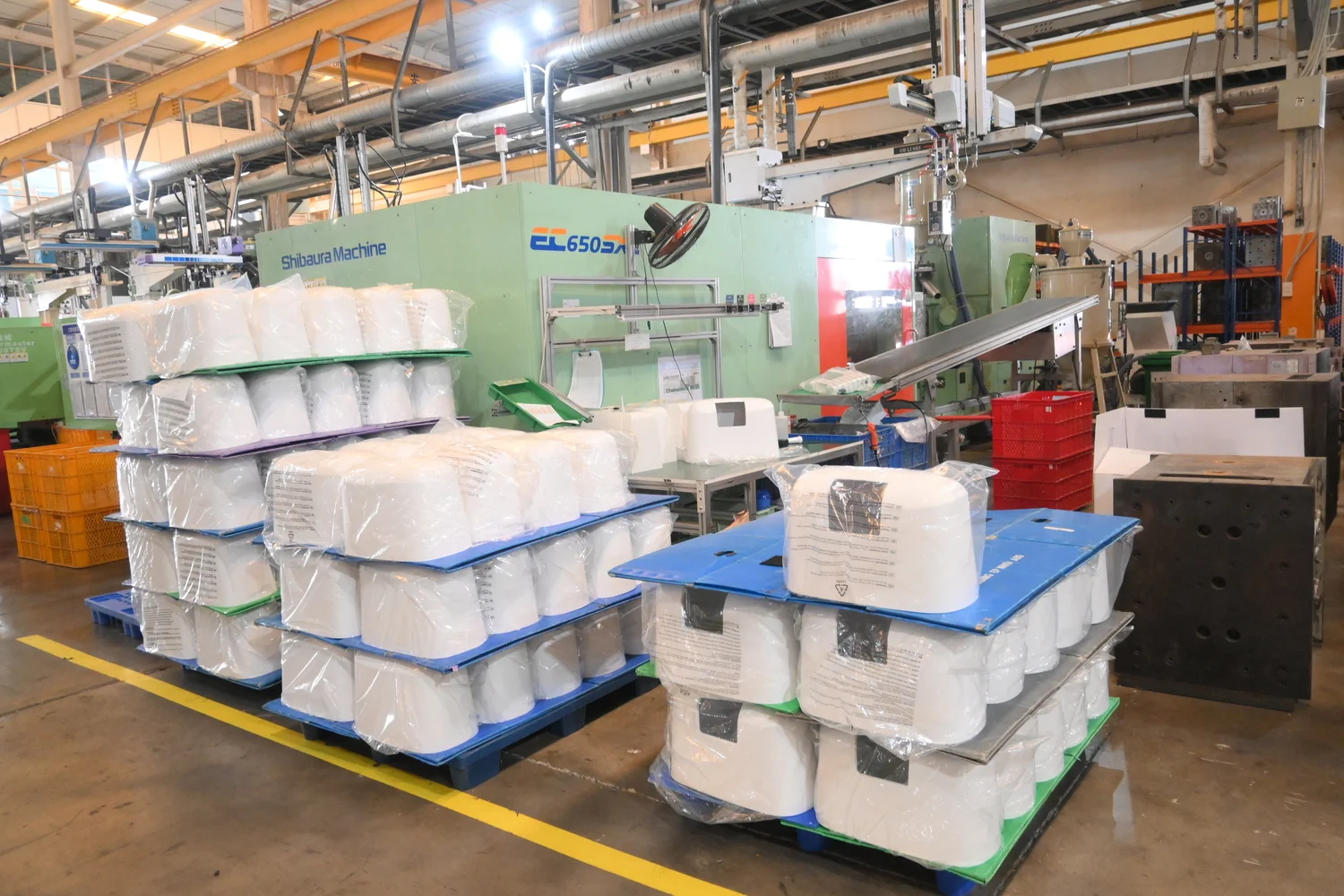
If you are looking for a reliable partner for industrial plastic injection molding backed by precision tooling control, Zeng Hsing is ready to assist. Operating modern facilities equipped with injection molding machines scaling up to 650 tons alongside an in-house tooling center, we provide Design for Manufacturability (DFM) analyses, technical resin consultation, and manufacturing adhering to tight drawing tolerances. Contact Zeng Hsing's engineering team today to review your production plan and receive a detailed project quotation.
GET THE BEST QUOTE
Contact ZENG HSING now via Zalo or Website to receive advice on suitable specifications and get a prompt quotation!
ZENG HSING VIET NAM
- Address: Unit 03-08, Canary Plaza, Binh Duong Boulevard, Binh Hoa Ward, Ho Chi Minh City, Vietnam
- Hotline: (+84) 0355 846 965 (Mr. Nghia) – (+84) 0362 476 478 (Mr. Nam)
- Email: nghia_duong@zenghsing.com.vn / nam_vu@zenghsing.com.vn
- Website: zenghsing.vn

