
Engineering plastics are a group of materials with high physical and mechanical properties, offering better heat resistance and corrosion resistance than standard household plastics. In industrial manufacturing, they are used to replace metals to reduce weight and maintenance costs. Below are the most common practical applications today.
Automotive and electric vehicle (EV) industry
The automotive industry is currently facing pressure to reduce vehicle weight to optimize fuel consumption and extend the driving range for electric vehicles. Engineering plastics are the "key" to this challenge.
– Battery systems and electric drivetrains: PC (Polycarbonate) plastic and flame-retardant alloys are widely used to make battery cell enclosures, support brackets, and insulation panels. Their heat resistance and safe electrical insulation help protect the vehicle's energy system under the harshest conditions.
– Under-the-hood components: Plastics like glass-fiber-reinforced PA66 (Nylon) are gradually replacing aluminum and steel components in cooling systems, engine covers, and oil pipelines thanks to their continuous heat resistance and excellent chemical resistance.
– Interior and exterior: ABS and PC/ABS plastics not only bring a luxurious aesthetic to dashboards and smart buttons but also ensure high impact resistance, protecting passenger safety.
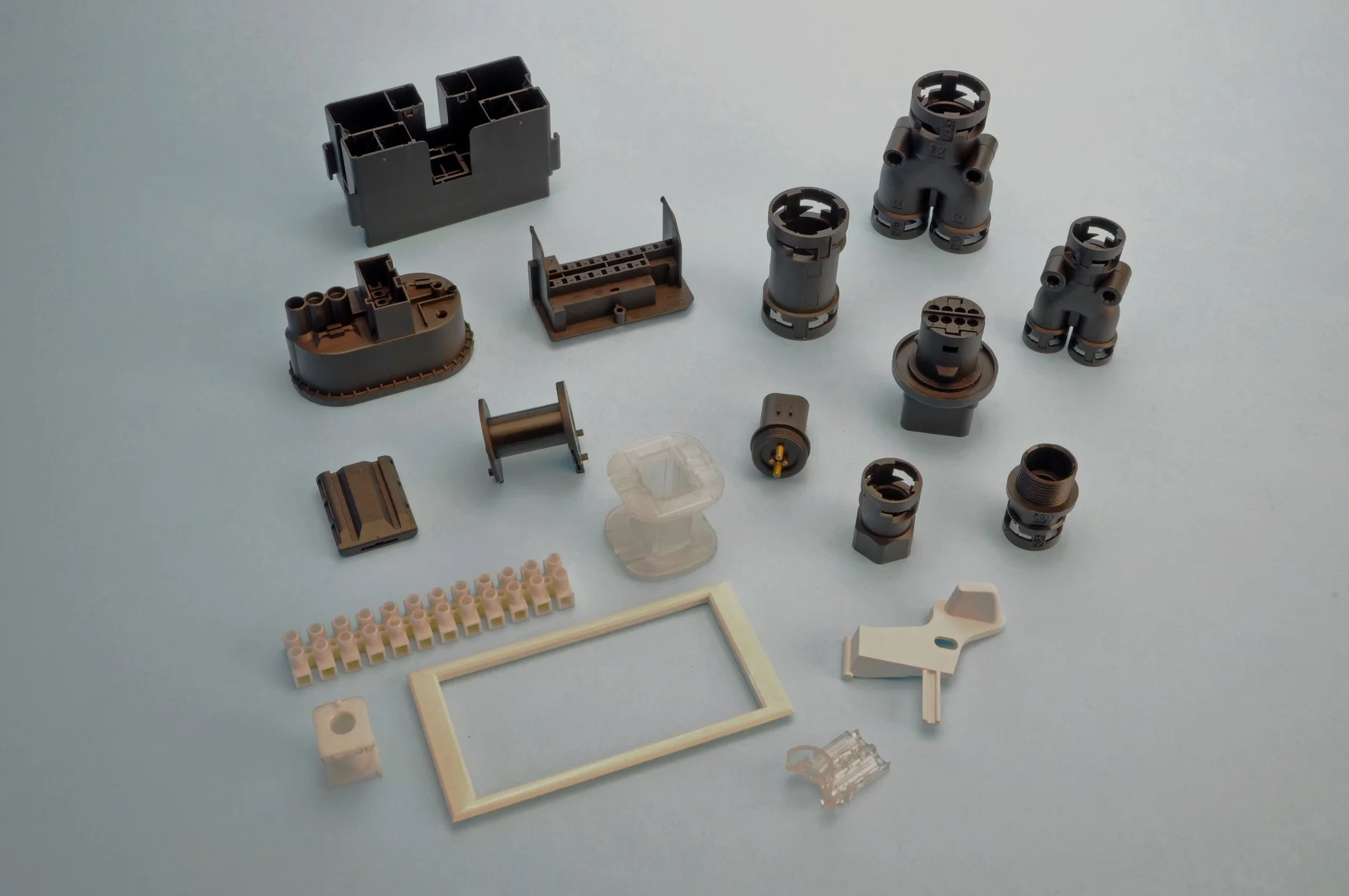
Electrical, electronics, and telecommunications
The miniaturization of electronic devices requires materials to have exceptionally high precision and absolute electrical insulation properties. Engineering plastics meet these stringent requirements perfectly.
– Connection components: POM and PBT plastics are top choices for manufacturing connectors, sockets, and switches due to their outstanding dimensional stability. They do not undergo thermal expansion, ensuring that electrical connections remain tight and stable over time.
– High-tech device housings: Laptops, smartphones, and wearable devices utilize specialized PC plastic to achieve maximum thinness while still passing rigorous drop and impact tests.
– Telecommunication network infrastructure: With the boom of 5G and 6G networks, types of engineering plastics with low dielectric constants are used as antenna covers, helping transmit ultra-high frequency signals without causing interference or signal loss.
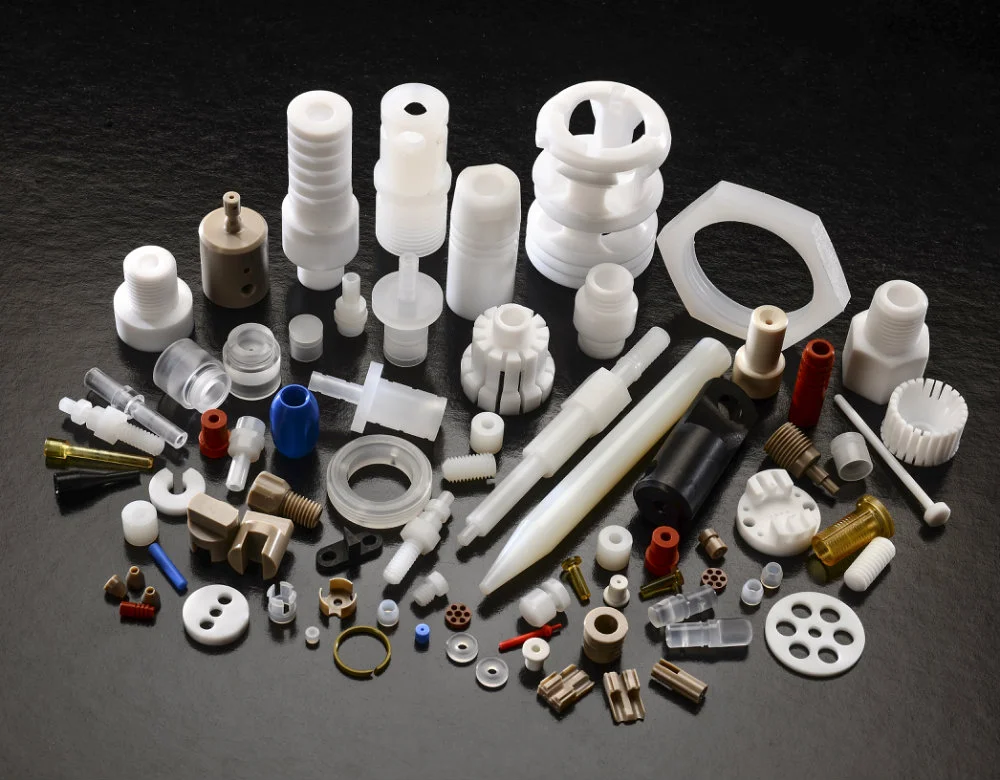
Precision mechanics and healthcare
Engineering plastics are proving that they can perform more durably than metals in many specialized environments.
– Mechanics and industrial machinery: POM (Polyoxymethylene) plastic, with its self-lubricating properties and low coefficient of friction, has replaced bronze or steel gears, camshafts, and bearings. This helps machinery operate more smoothly, reduces noise, and specifically eliminates the need for regular oiling maintenance, saving significant operating costs.
– Advanced medical sector: Medical-grade engineering plastics like PEEK or PC are used in surgical instruments, ventilators, and even human body implants. The ability to withstand high-temperature sterilization processes and biocompatibility are the factors that make engineering plastic irreplaceable in this field.
– Renewable energy: In solar and wind power systems, UV-resistant and fatigue-resistant engineering plastics are used for mounting frames, small fan blades, and control components, ensuring equipment lifespans of up to decades under harsh weather conditions.
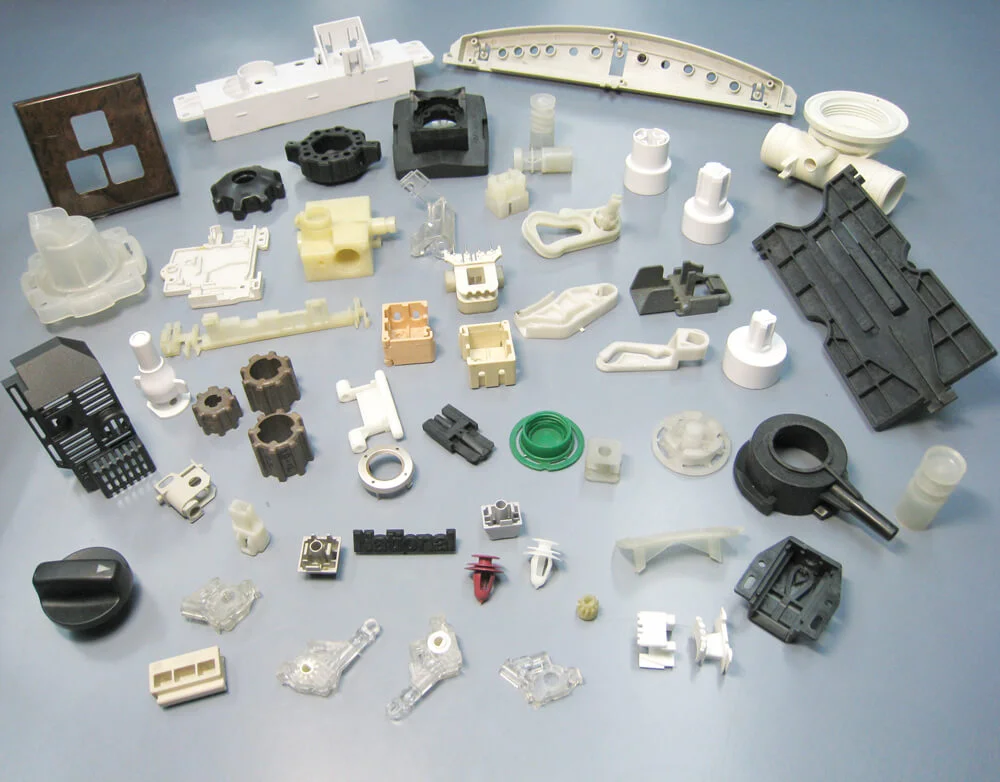
Applying engineering plastics into industrial manufacturing is an optimal solution to replace metals, helping reduce weight and operational costs. Depending on the working environment—such as heat resistance, wear resistance, or electrical insulation—businesses need to select the appropriate plastic type (ABS, POM, PC). We hope the information above gives you a practical view to make the most accurate decision for your processing project.
ZENG HSING VIET NAM
Address: Unit 03-08, Canary Plaza, Binh Duong Boulevard, Binh Hoa Ward, Thuan An City, Binh Duong Province, Vietnam.
Phone: (+84) 0355 846 965 (Mr. Nghia) – (+84) 0362 476 478 (Mr. Nam)
Email: nghia_duong@zenghsing.com.vn or nam_vu@zenghsing.com.vn
Website: zenghsing.vn

