
In modern manufacturing supply chains, industrial plastic product manufacturing demands far stricter mechanical precision than standard commercial plastic goods. Engineering plastic components not only require structural load resistance, wear resistance, and reliable dielectric insulation, but must also maintain tight geometric tolerances to assemble smoothly into complex machinery and electronic systems. To achieve operational durability and unit-cost efficiency, enterprises must focus on two fundamental pillars: selecting the appropriate virgin engineering resin grade and systematically mitigating shrinkage and warpage defects.
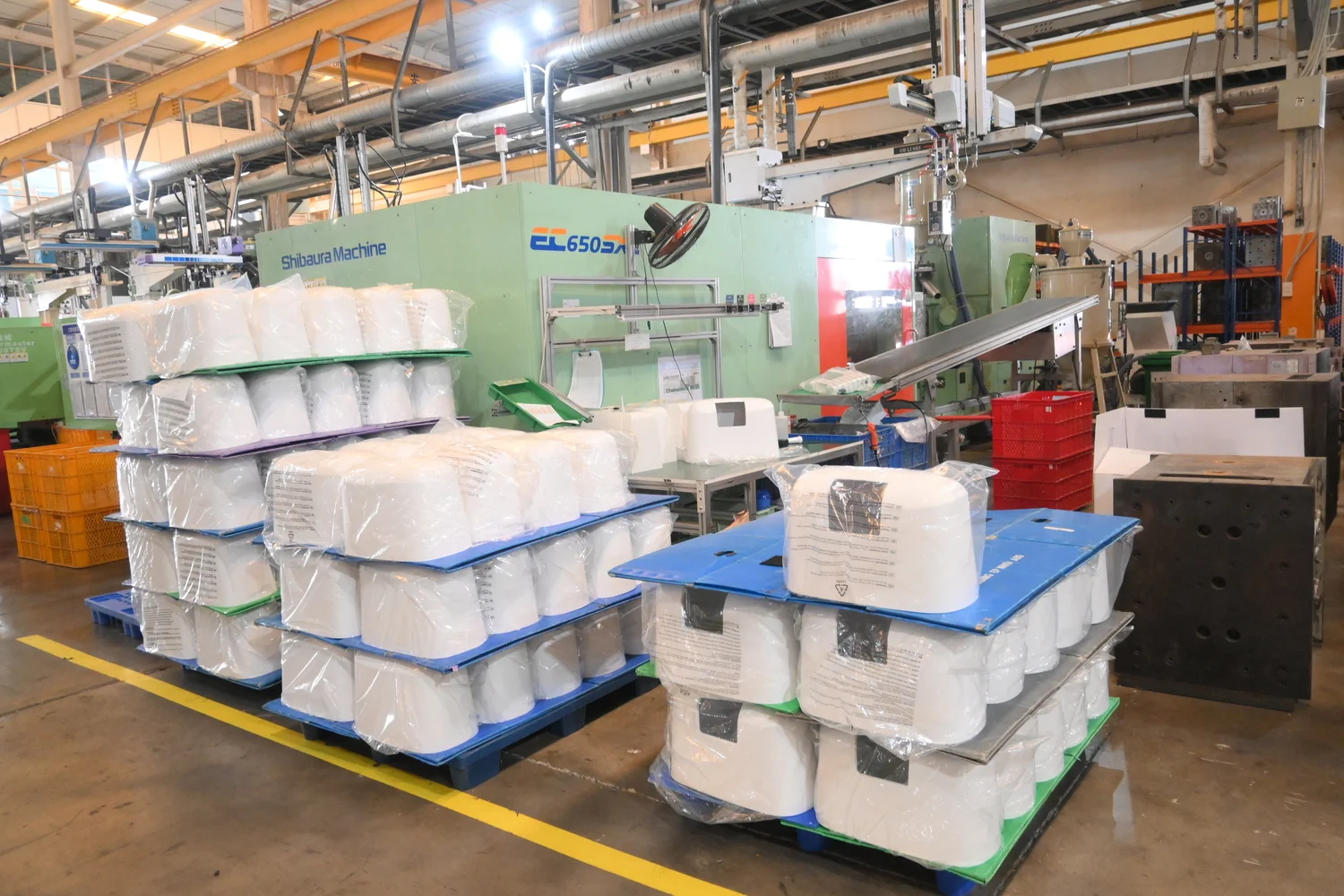
Technical guidelines for selecting engineering plastic resins by application
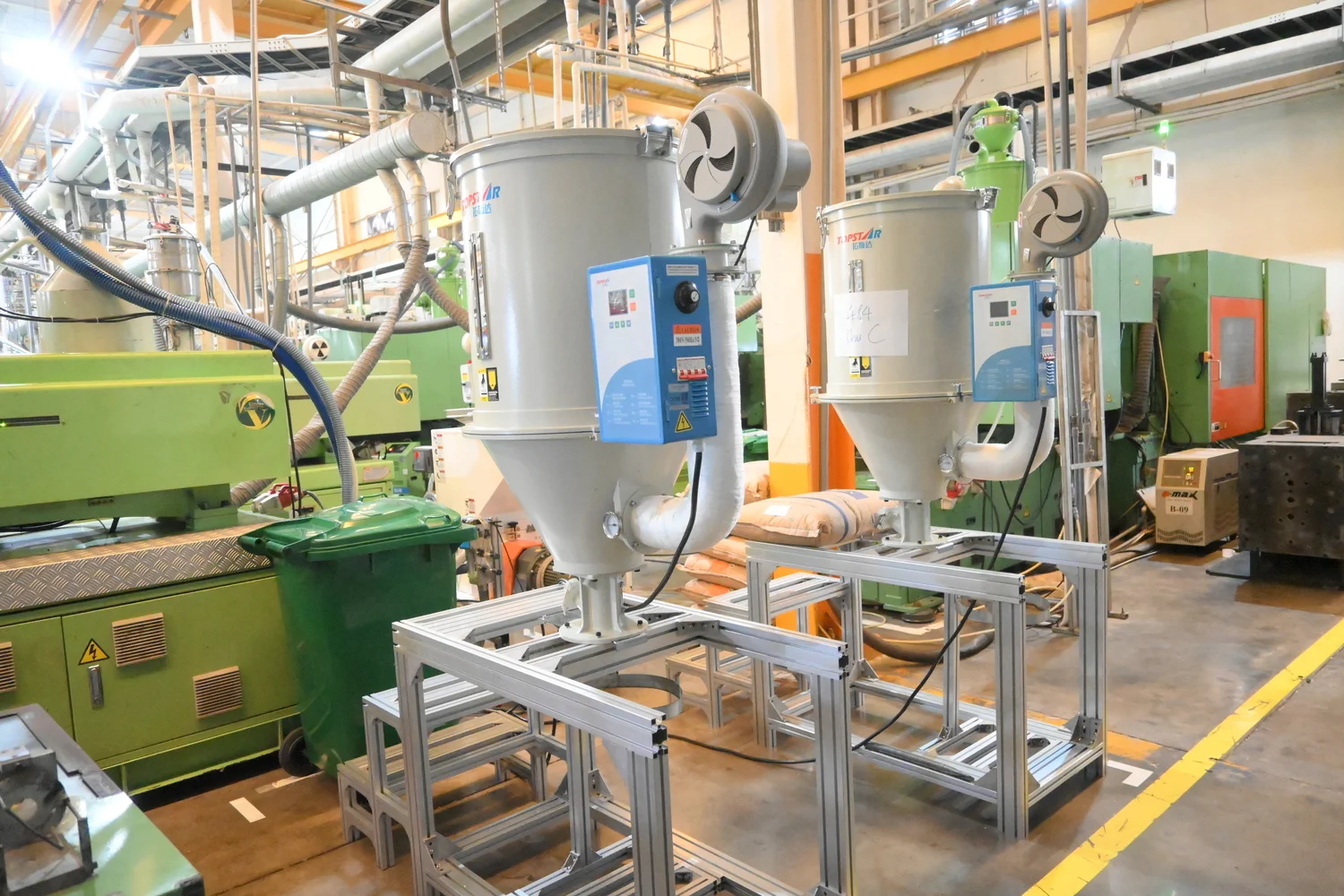
Raw material selection directly dictates component operating lifespan, physical-mechanical performance, and overall production costs. Each industrial polymer provides distinct engineering characteristics:
• ABS (acrylonitrile butadiene styrene): Delivers balanced structural rigidity, impact toughness, and a smooth cosmetic surface suitable for painting, printing, or electroplating. ABS is widely used for electrical equipment enclosures, technical junction boxes, and internal mounting brackets.
• PP (polypropylene): Offers low specific weight, high flexural fatigue life, and superior chemical resistance against industrial solvents and corrosive media. PP is ideal for industrial storage containers, technical conduits, and flexible snap-fit caps.
• PC (polycarbonate): Features high optical transparency, elevated heat deflection temperatures, and superior impact resistance. PC is commonly specified for heavy-duty viewing sight glasses, optical lenses, and outdoor protective covers.
• POM (polyoxymethylene / acetal): Known as "plastic metal," POM features an exceptionally low coefficient of friction, high stiffness, and outstanding dimensional stability, making it the premier choice for kinematic gears, bushings, and mechanical sliding guides.
• PC/ABS alloy: Merges the low-temperature impact strength and thermal resistance of PC with the balanced melt flow and processing characteristics of ABS, representing an optimal solution for rugged industrial enclosures and electronic chassis.
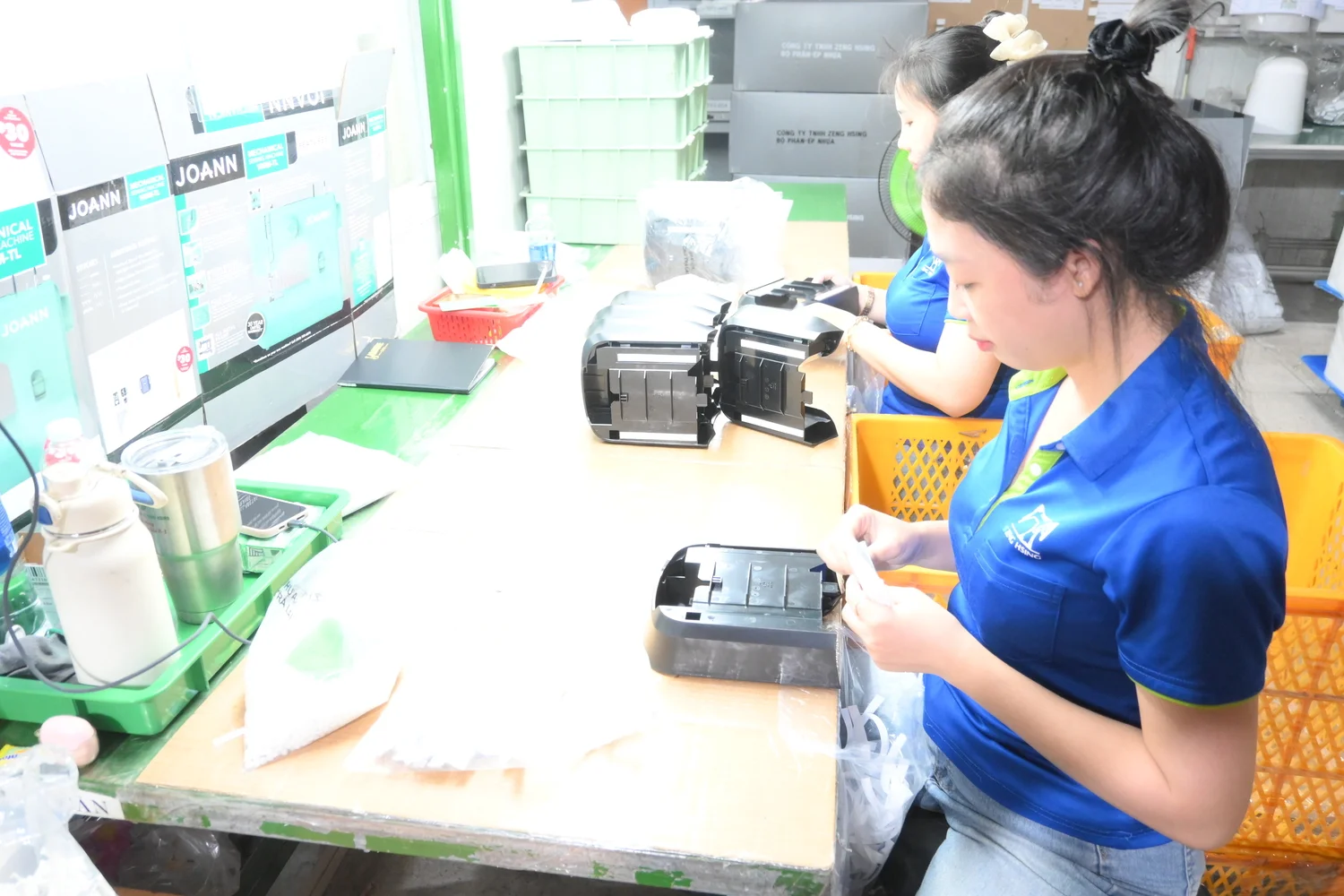
Engineering recommendation: Clearly define actual operating parameters (continuous working temperatures, chemical contact, UV exposure, or mechanical friction loads) prior to resin specification to avoid costly maintenance downtime or structural component cracking during field operation.
Standards and technical solutions to control shrinkage and warpage defects
Sink marks and part warpage represent two primary molding defects encountered in industrial plastic product manufacturing, directly threatening joint fitment and cosmetic quality:
– Maintaining uniform nominal wall thickness: Thicker plastic wall sections cool slower than adjacent thin areas, inducing differential volumetric contraction that pulls surface skins inward. Proper plastic part design maintains uniform nominal walls; reinforcing ribs should typically measure between 40% and 60% of adjacent nominal wall thickness to prevent localized sink marks on opposing cosmetic surfaces.
– Incorporating adequate mold draft angles: Sharp internal corners act as mechanical stress concentration risers that promote structural cracking and part ejection distortion. Implementing generous internal fillets combined with minimum draft angles of 1° to 2° ensures smooth part release, minimizing ejection drag forces and localized plastic distortion.
– Balancing mold cooling circuit layouts: Uneven cooling rates between core and cavity mold halves generate non-uniform thermal contraction stresses, warping molded components immediately upon ejection. Uniform, balanced cooling channel routing stabilizes final part dimensions across cycle runs.
– Optimizing pack/hold pressure and holding duration: Setting appropriate hold pressure profiles and durations feeds supplemental molten plastic into mold cavities to compensate for volumetric resin shrinkage during solidification, preventing internal vacuum voids.
GET THE BEST QUOTE
Contact ZENG HSING now via Zalo or Website to receive advice on suitable specifications and get a prompt quotation!
Zeng Hsing – High-precision turnkey industrial plastic product manufacturing
To eliminate engineering defect risks from the initial design phase, selecting an integrated manufacturing partner is an indispensable operational requirement. Zeng Hsing delivers comprehensive industrial plastic product manufacturing solutions through a fully unified production ecosystem:
♦ In-house tooling development center: Integrating advanced Moldflow simulation software with precision CNC machining and EDM sinker equipment, enabling predictive shrinkage calculation and eliminating gas trap defects before cutting tool steel.
♦ Broad injection molding machine capacities: Operating modern injection molding presses with clamping tonnages scaling up to 650 tons, accommodating everything from miniature precision parts to large industrial housings across diverse engineering resins (ABS, PP, PC, POM, PC/ABS, and reinforced blends).
♦ Synchronized quality assurance: Executing standardized quality control across mold fabrication, first-article sampling (T0, T1), volume series production, and downstream OEM/ODM box-build assembly to ensure specified dimensional tolerances and on-time delivery.
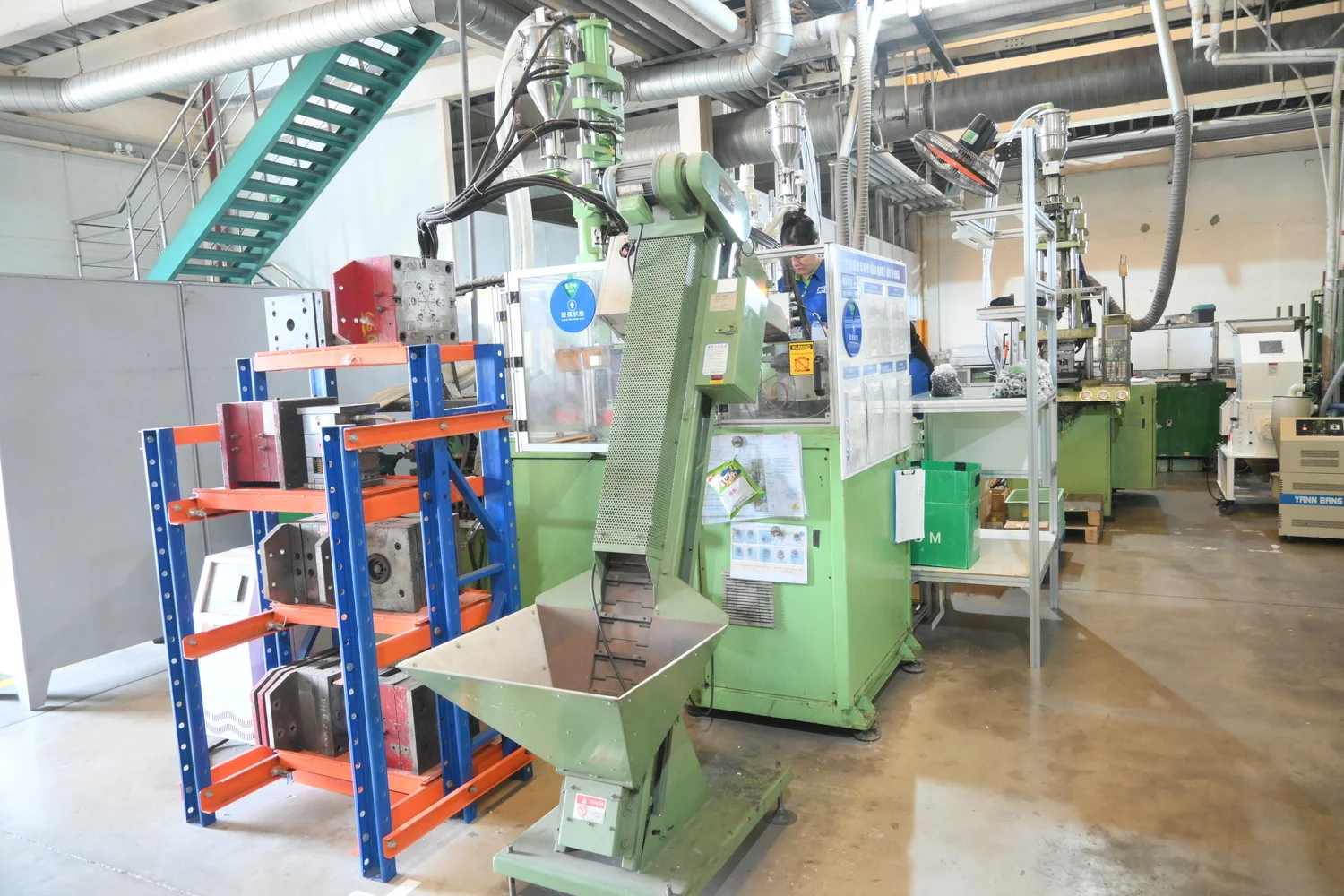
Are you seeking a reliable partner for precision industrial plastic product manufacturing that delivers cost optimization and reliable delivery milestones? Contact Zeng Hsing's engineering team today via our website at zenghsing.vn or hotline (+84) 0355 846 965 for technical consultations and detailed manufacturing project estimates.
ZENG HSING VIET NAM
- Address: Unit 03-08, Canary Plaza, Binh Duong Boulevard, Binh Hoa Ward, Ho Chi Minh City, Vietnam
- Hotline: (+84) 0355 846 965 (Mr. Nghia) – (+84) 0362 476 478 (Mr. Nam)
- Email: nghia_duong@zenghsing.com.vn / nam_vu@zenghsing.com.vn
- Website: zenghsing.vn

