
In the industrial plastic injection molding process for components, many people often focus on injection pressure or mold design while forgetting a pivotal step: drying the plastic resin. In reality, moisture is a "silent enemy" that can completely destroy both the mechanical properties and aesthetics of a product. Drying plastic is not merely about drying the surface, but a thermal treatment process to ensure the resin reaches its most ideal state before melting.
Reasons to thoroughly dry plastic resin before entering an industrial plastic injection molding machine
Preventing hydrolysis and mechanical degradation
Many high-tech engineering plastics, such as PA (Nylon), PC, or PET, have strong hygroscopic properties. When plastic resin containing moisture is introduced into a high-temperature cylinder, the water triggers a chemical reaction called hydrolysis.
This reaction breaks the stable polymer chains, reducing the molecular weight of the plastic. As a result, components will become brittle after molding, easily cracking under light force and losing their inherent heat resistance. For products like gears, electrical connectors, or machinery components, hydrolysis defects are a disaster for safety and durability.
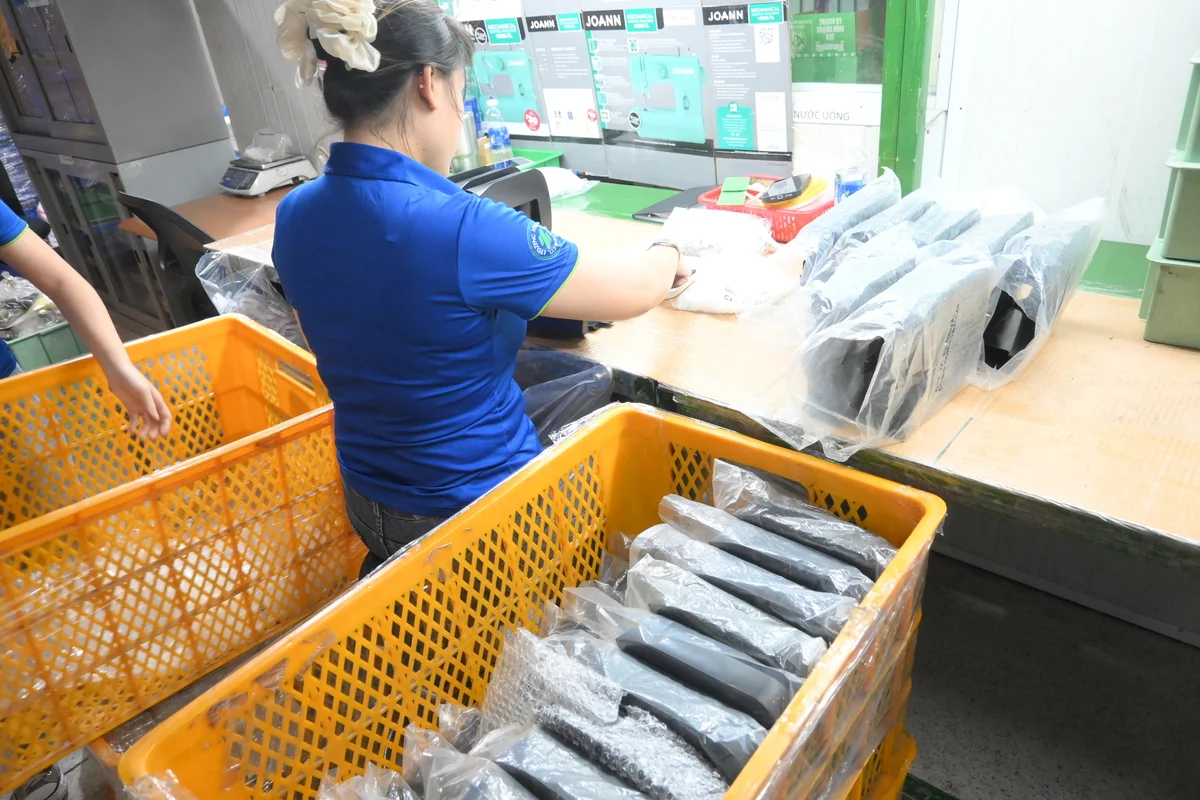
Eliminating aesthetic defects and surface silver streaks
When moisture-laden plastic enters the mold cavity, the water vapor compressed under high pressure turns into gas. As the plastic solidifies, these gas bubbles burst or get trapped, causing common defects:
• Silver streaks: Splash-like white lines running along the flow direction of the plastic, completely ruining the product's appearance.
• Air bubbles: Tiny gas pockets located inside the product, which not only cause aesthetic loss but also create structural weak points, making the component prone to breaking at those spots.
Thoroughly drying the plastic resin completely removes moisture, ensuring the component surface is smooth, glossy, and consistent in color.
Protecting molds and stabilizing component dimensions
Excess moisture alters the viscosity (fluidity) of the plastic. Plastic that is too fluid due to moisture causes unstable injection pressure, leading to dimensional deviations from the technical drawings. This is exceptionally dangerous for industrial component plastic injection molding that requires ultra-low tolerances for assembly.
Additionally, the gas generated from moist plastic is highly corrosive. If allowed to accumulate over a long period, it will pit the mold cavity surface, destroying the mold's gloss finish and driving up expensive maintenance and repair costs.
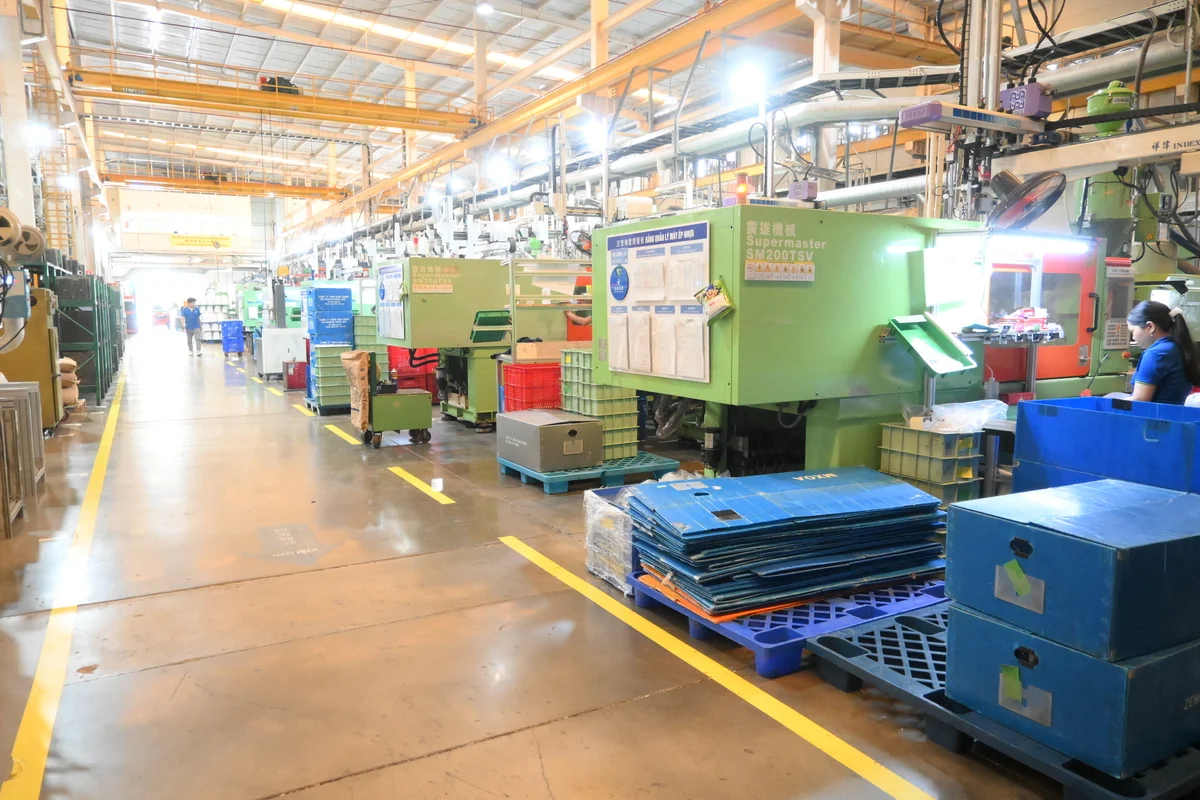
Standard plastic drying process at a professional factory
To dry plastic effectively, it is not simply about applying heat; it requires controlling the appropriate time and temperature for each material type:
• ABS plastic: Dry at 80–90°C for 2–4 hours.
• PC plastic: Dry at 120°C for 3–4 hours.
• PA plastic (Nylon): Needs to be dried for 4–6 hours at 80°C to achieve a moisture level below 0.15%.
Modern manufacturing workshops usually employ dehumidifying dryers instead of standard hot-air dryers to guarantee total moisture separation, even during humid weather conditions.
Drying plastic resin is a worthy investment step to minimize defect rates and protect brand reputation. At Zeng Hsing, we apply a strict automated drying process for each batch of virgin plastic resin, ensuring that every component leaving the factory achieves maximum durability and perfect aesthetics for our partners.
ZENG HSING VIET NAM
Address: Unit 03-08, Canary Plaza, Binh Duong Boulevard, Binh Hoa Ward, Thuan An City, Binh Duong Province, Vietnam.
Phone: (+84) 0355 846 965 (Mr. Nghia) – (+84) 0362 476 478 (Mr. Nam)
Email: nghia_duong@zenghsing.com.vn or nam_vu@zenghsing.com.vn
Website: zenghsing.vn

